Proffessional hunting consultant & Guide
Modern Hunting
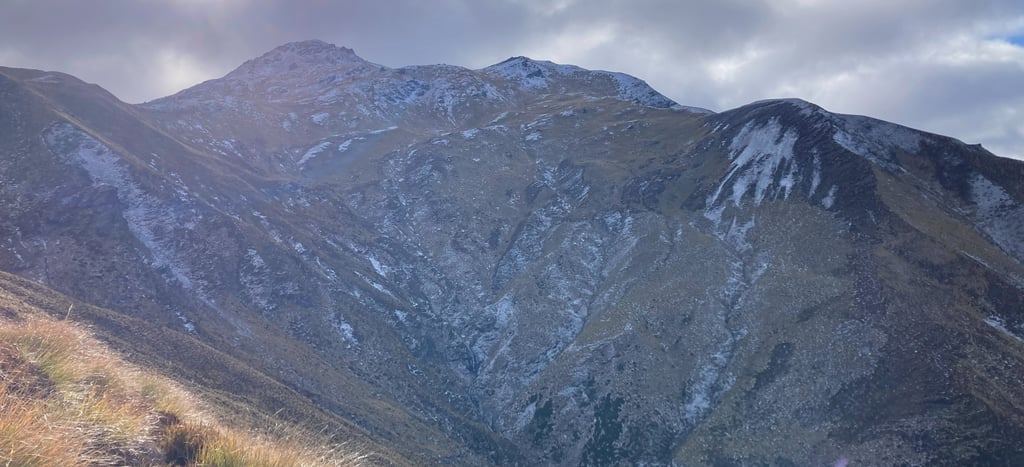
Chamois hunting remains a cornerstone of New Zealand big-game experiences. Hunting outfitters around the South Island offer a range of trips that showcase not only excellent chamois opportunities, but also the stunning alpine scenery that makes New Zealand unique. From the high peaks and scree slopes above the bush line to the softer tussock country in valleys, chamois hunting is a true mountain pursuit.
CHAMOIS HUNTING IN NEW ZEALAND
A Challenging Pursuit
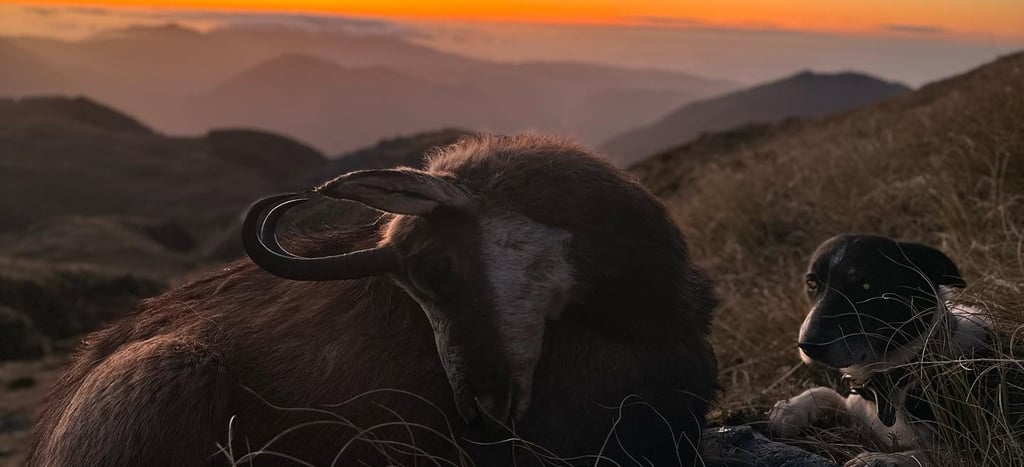
Chamois are one of the most iconic and sought after mountain species.
Agile, beautiful, and uniquely woven into the story of alpine New Zealand.
From the Alps to the Southern Alps
Chamois are native to the rugged mountains of Europe, particularly the Alps, Pyrenees, and parts of Central and Eastern Europe. In 1907, a small group was introduced to New Zealand as a gift from Emperor Franz Joseph I of Austria. These original animals just a handful of bucks and does were transported to the South Island and released near Aoraki/Mount Cook in the Hooker Valley.
A further pair were released in 1914, although one early male was shot after it attacked tourists. From these modest beginnings, chamois spread rapidly throughout the South Island’s alpine terrain, taking full advantage of the steep, varied country that closely resembled their European homeland. By the latter part of the 20th century, they were established across much of the island’s mountains.
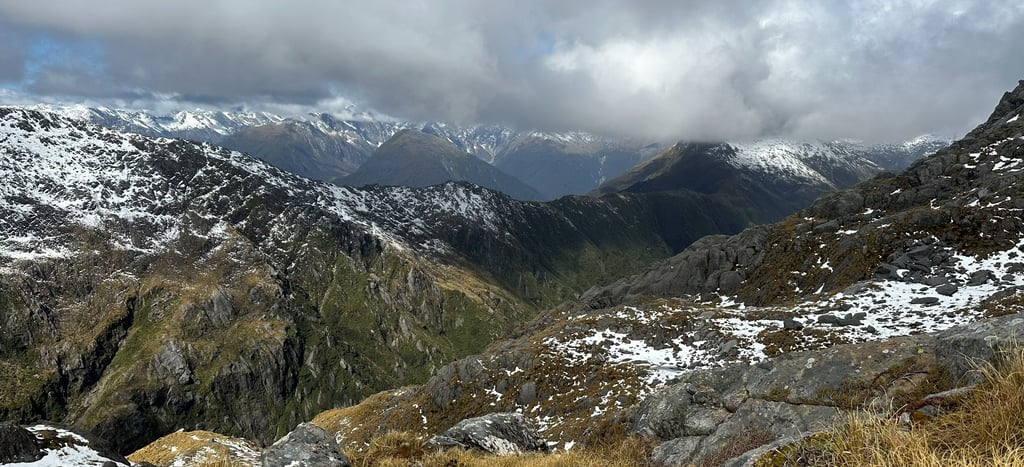
South westland of New Zealand
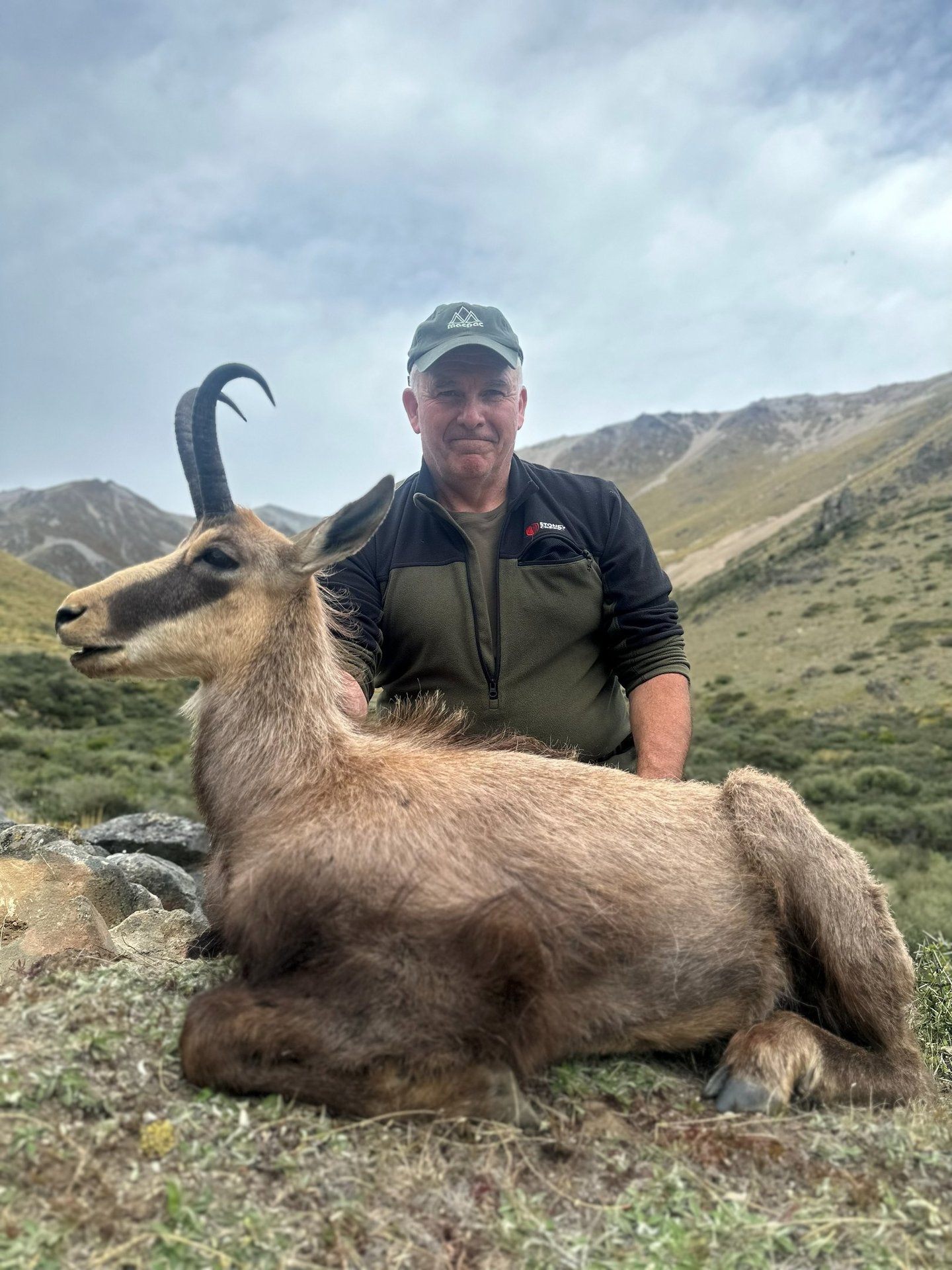
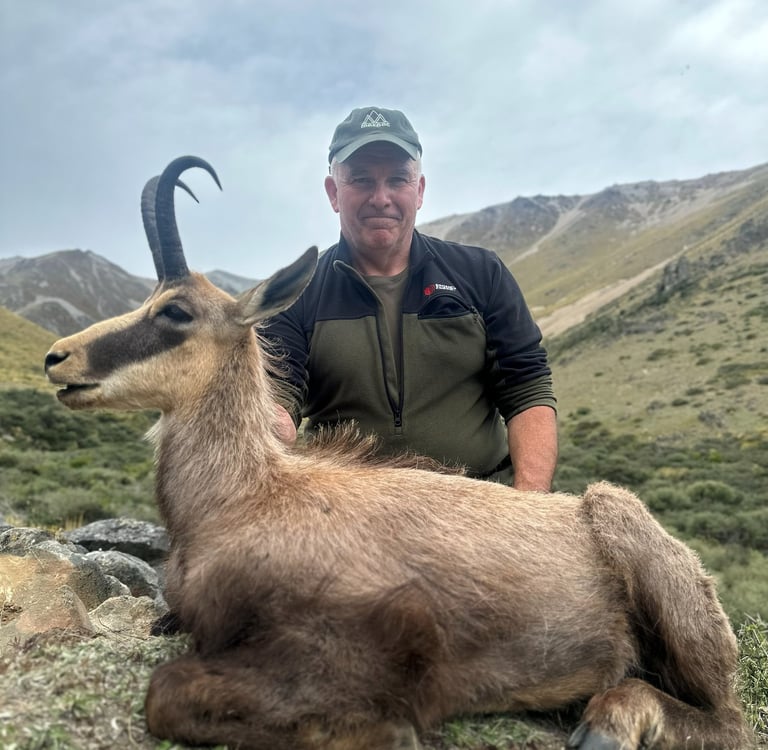
Spring Chamois
Early Protection and Management
For the first few decades after their introduction, chamois were valued and even protected as game animals. However, as their numbers surged and ecological impacts became clear particularly on native alpine vegetation protection was removed in the 1930s. Government agencies began actively controlling populations, including shooting thousands of animals through the mid-20th century to reduce browsing pressure on fragile plant communities.
From the 1970s through the late 1980s, aerial culling operations (including helicopter shooting) were a significant part of population management, with tens of thousands of animals removed.
Today, chamois are still widespread throughout much of the South Island alpine zone and are managed primarily through recreational hunting.
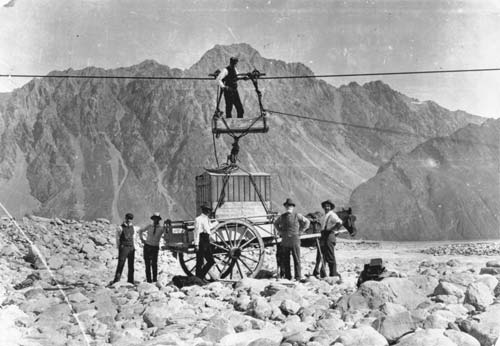
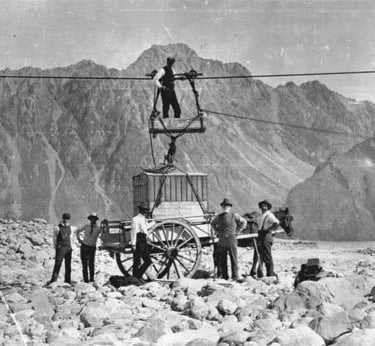
New Zealand’s first chamois two males and three females 1907
Wilderness Spike Camp Hunts
Wilderness Chamois hunts include helicopter access to the Southern Alps and are often hunted together with Tahr.
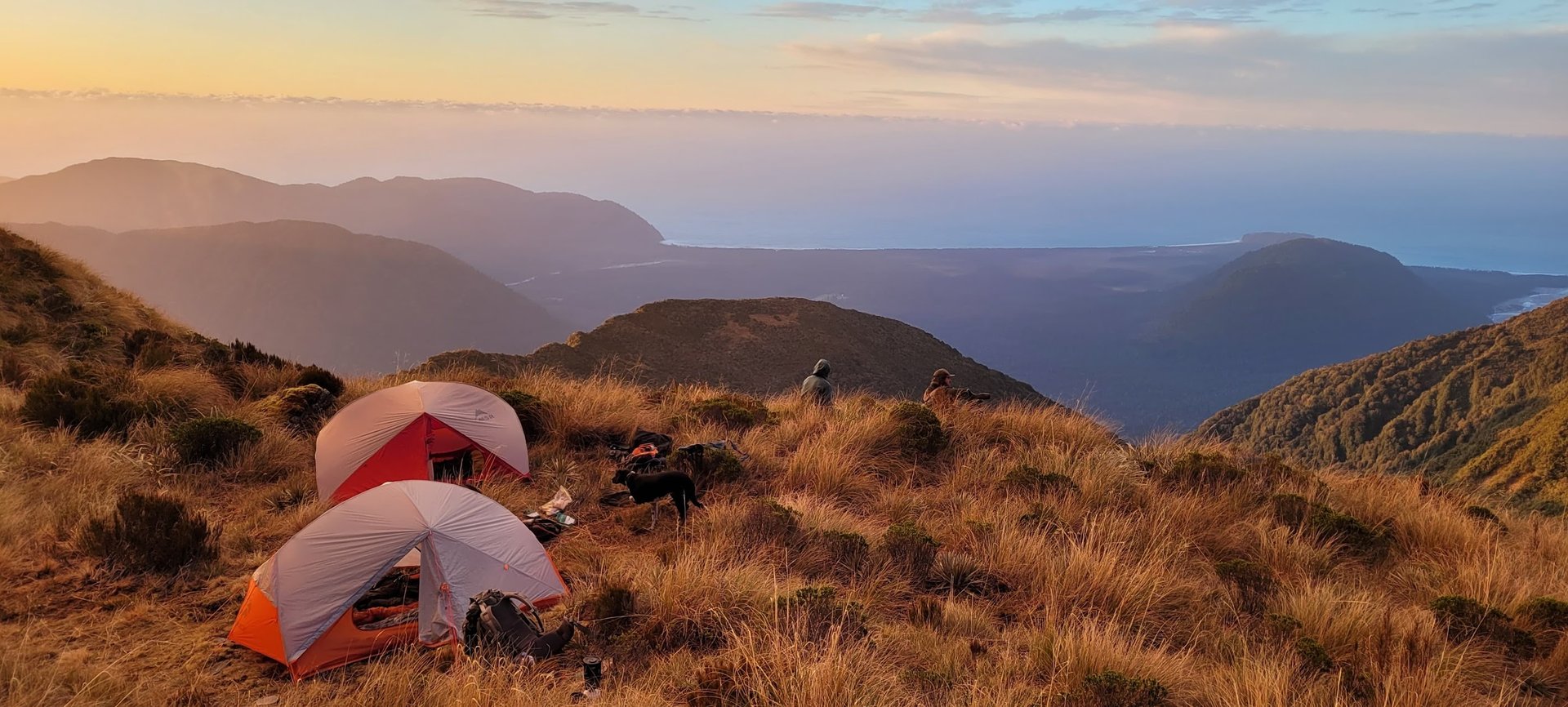
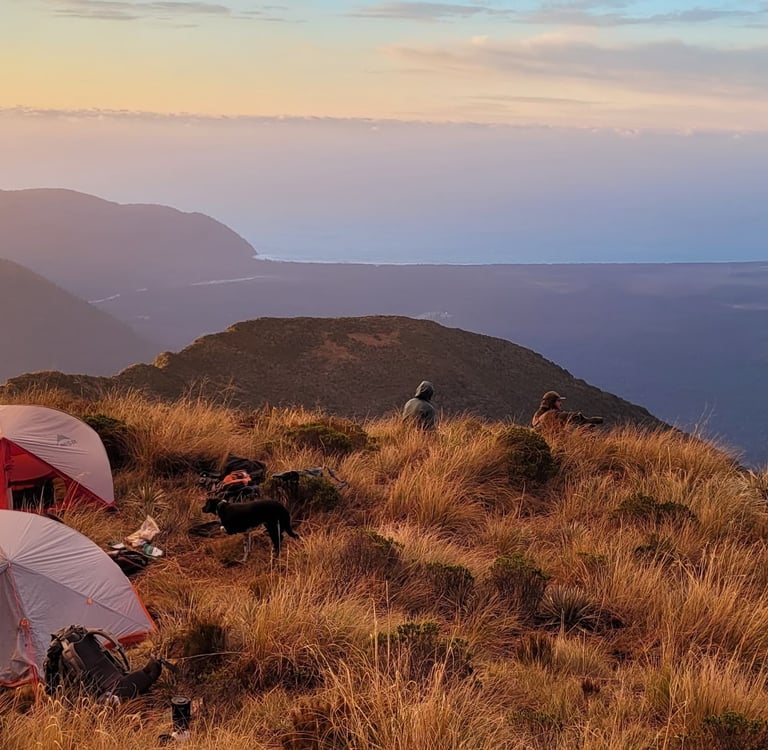
A wilderness spike camp hunt is a simple and rewarding way to experience true backcountry hunting. Instead of returning to a lodge each night, hunters stay in a small camp set up close to where the game lives. This means more time hunting and less time travelling.
Spike camps are usually placed in remote valleys or high basins, within walking distance of good glassing spots. Days start early, watching the hills come alive at first and last light and are spent spotting and stalking through open country.
Life in a spike camp is basic but comfortable. The focus is on the hunt, the landscape, and the experience of being fully immersed in wild country. For those who want adventure and a deeper connection to the mountains, a wilderness spike camp hunt delivers exactly that.
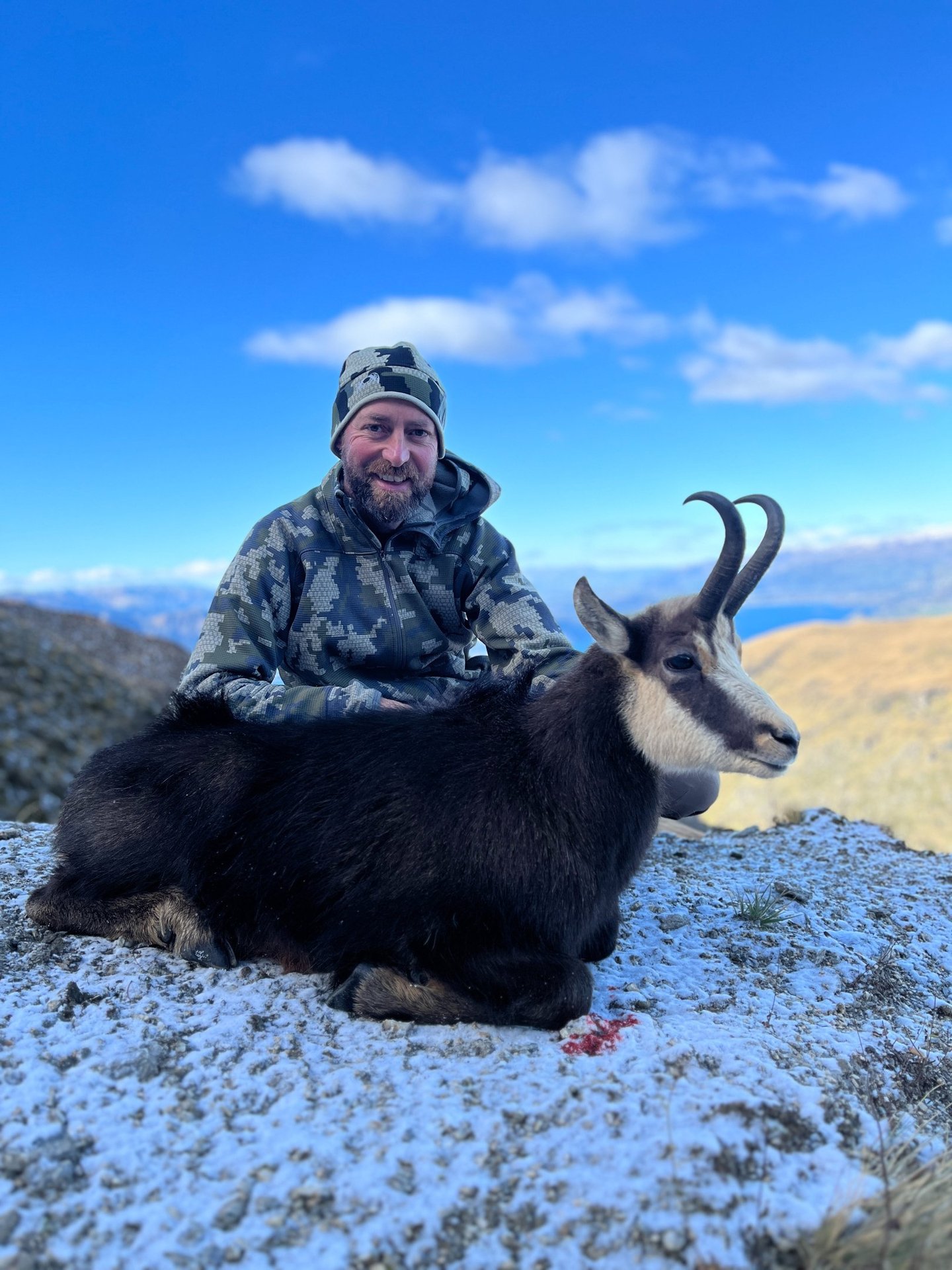
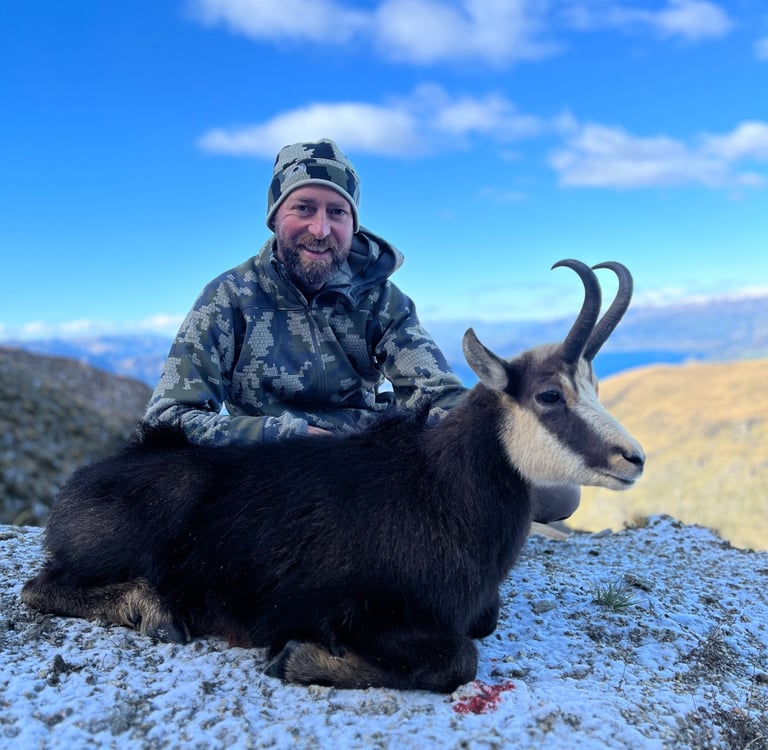
Winter Chamois



Exclusive Private Land Hunting
Private land access is by 4×4 or side by side buggy, we drive up the mountain to glassing points, taking out a lot of the ‘grunt work’, hunting is on foot from there. We take the time to evaluate trophy males, ‘spot and stalk’ is the main method employed. Observe and hunt tahr and chamois in an unpressured environment.
A hunt for a Chamois Buck on our private land can be added to a free range Otago red stag hunt from Mid April or hunted as your primary species from Early May.