Professional hunting consultant & OUTFITTER
Why Choose New Zealand?
Beyond the quality of the animals, New Zealand offers a complete hunting adventure. World-class hospitality, experienced guides, and breathtaking scenery combine to create an experience that goes far beyond the hunt itself. From rugged alpine ridges to lush river valleys, every day in the field feels like a postcard.
For hunters seeking a high-quality elk hunt with consistent success, ethical management, and unforgettable landscapes, estate elk hunting in New Zealand stands in a league of its own.
ESTATE ELK
New Zealand has earned a global reputation as a premier destination for big-game hunting, and at the top of that list sits the majestic elk. While free-range elk exist in remote parts of Fiordland, the majority of elk hunting in New Zealand today takes place on professionally managed hunting estates. These properties offer hunters a unique blend of world-class genetics, stunning landscapes, and reliable opportunities to pursue truly exceptional animals.
Elk Trophies
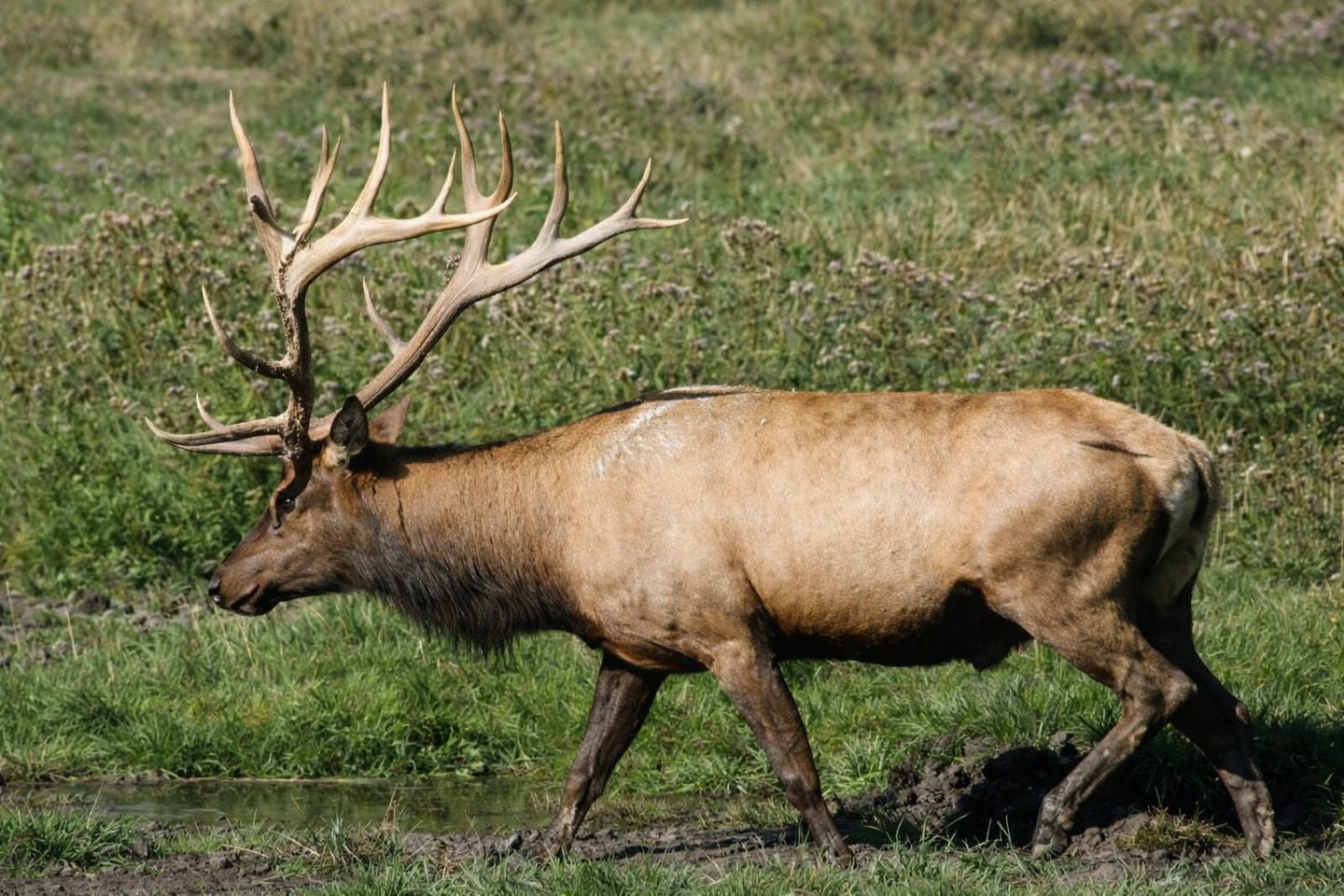
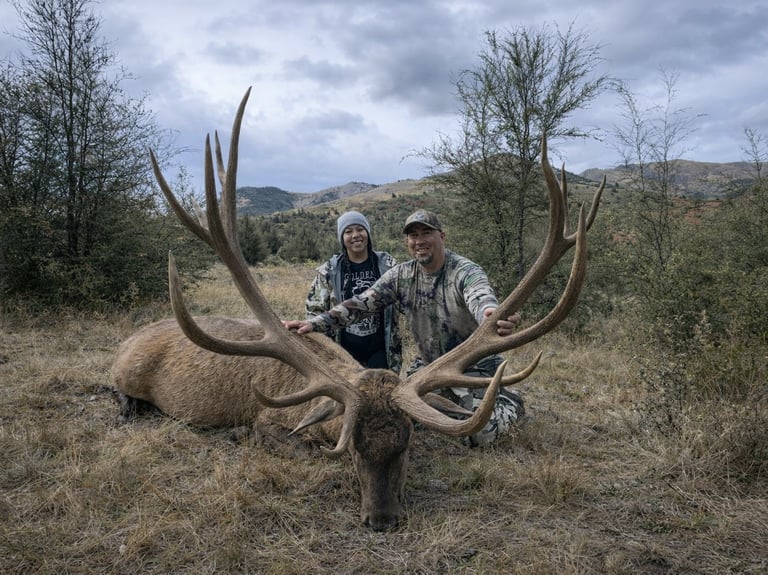
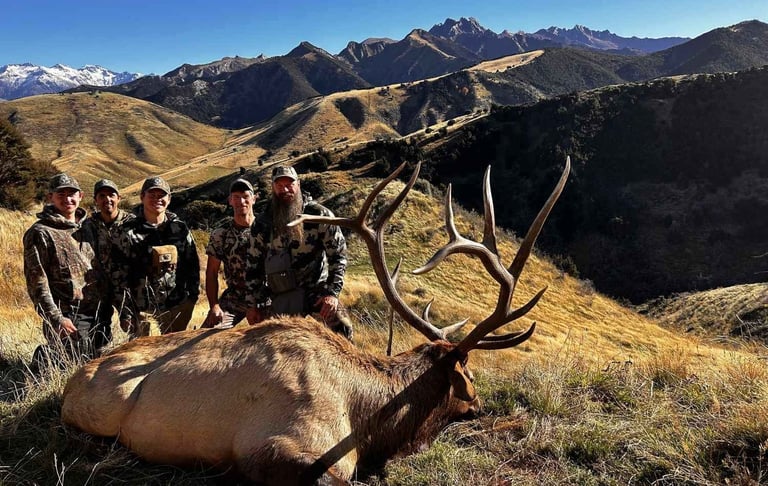
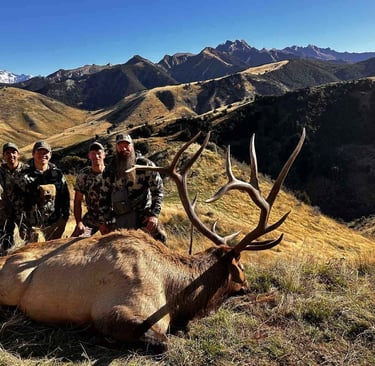
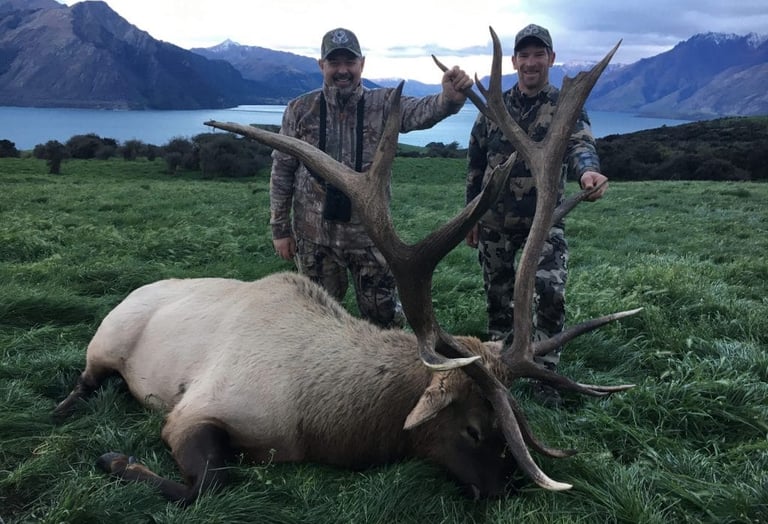
Trophies range from 350 – 500 SCI, generally with a minimum antler length of around 50 inches. Trophies tend to have nice whale tails and strong tines.
A Brief History of Elk in New Zealand
Elk, often referred to locally as wapiti, were first introduced to New Zealand in the early 1900s. Over time, selective breeding programs on private estates refined bloodlines to produce animals with massive frames, heavy beams, and wide, symmetrical antlers. Today, New Zealand estate elk are internationally recognized for their size and trophy quality, frequently rivaling or surpassing their North American counterparts.
Bugling Giants
The Hunting Experience
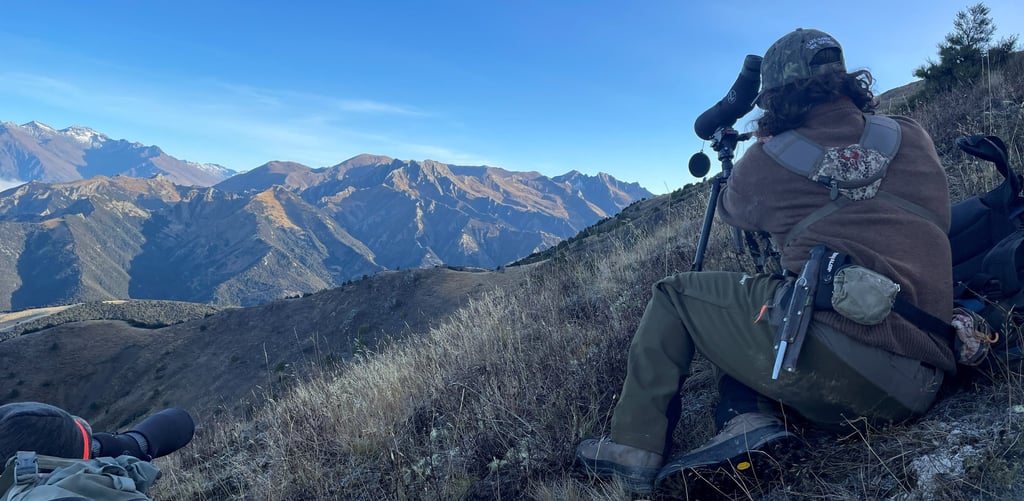
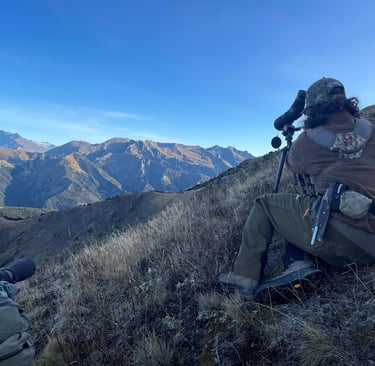
Estate elk hunts in New Zealand are typically guided, ensuring both safety and a high standard of ethics. Hunters can expect long glassing sessions, strategic stalks, and physically demanding terrain. Shots are not guaranteed, and success often depends on patience, wind discipline, and marksmanship.
One of the defining features of estate hunting is the ability to tailor the experience. Hunters may choose animals based on age, antler size, or genetic characteristics, making these hunts ideal for both trophy seekers and those pursuing record-book class bulls. The rut, usually occurring from late March through April, offers an unforgettable experience as bulls bugle, spar, and aggressively defend harems.


South Pacific Elk Hunting Dates
Bull elk bugle at the same time as the red stags roar, from mid March until late in April. South Pacific Elk can be hunted successfully from March until May hunting later in the winter months is possible. To my knowledge there is no more of a primal sound or call of the wilderness than a big bull elk at full bugle.
For more information contact me below.