Professional hunting consultant & OUTFITTER
FREE RANGE OTAGO RED STAG
Become A Part Of New Zealand History
The story of Otago’s red stags begins alongside the earliest European settlers who arrived in New Zealand carrying with them a vision of recreating the sporting traditions of the Highlands of Scotland. In the mid to late 1800s, red deer were imported from Britain, Scotland, and Europe, with one of the first successful releases in Otago taking place in 1871. The deer were liberated deep within remote alpine valleys and rugged high country basins, landscapes that reminded settlers of the mountain hunting grounds they had left behind.
What followed was something few could have predicted.
Otago’s vast tussock country, harsh alpine climate, native beech forests, and complete absence of natural predators created near perfect conditions for red deer to thrive. Protected by law for decades and left largely undisturbed, the herds expanded rapidly through Central Otago, the Southern Alps, and surrounding ranges. Over generations, the region began producing powerful, heavy bodied stags carrying beautiful, symmetrical antlers that would eventually earn worldwide recognition.
As the herds grew, so did Otago’s reputation.
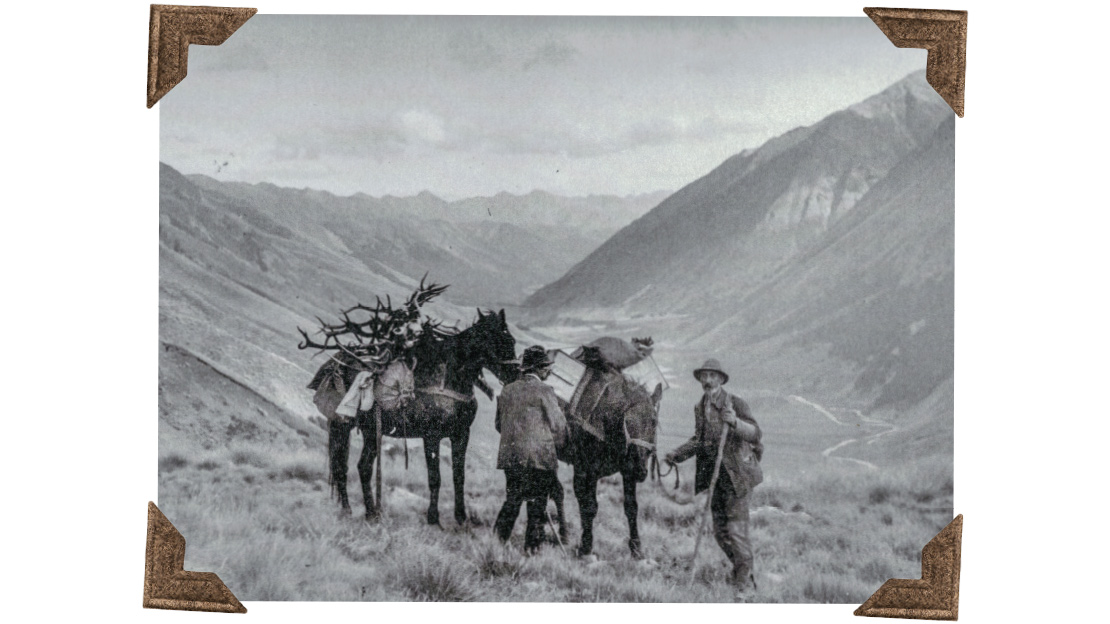
By the early 1900s, wealthy British and European sportsmen were making the long journey to New Zealand specifically to hunt Otago red stags during the roar. These were not comfortable expeditions. Hunters traveled by horseback and on foot into some of the most unforgiving country in the Southern Hemisphere, guided by high country shepherds, station hands, and pioneering stalkers who knew every valley, scree face, and basin intimately.
The hunts were raw, physical, and demanding. Long days were spent climbing through steep alpine terrain, crossing icy rivers, glassing distant faces for the flash of antler or the movement of a roaring stag pushing hinds through the tussock. Hunters slept in isolated backcountry huts and rough spike camps, often days from civilization. Success depended entirely on endurance, patience and the ability to move quietly through harsh mountain country.
These early guided hunts laid the foundation for New Zealand’s professional hunting industry.
Otago’s guides quickly gained international respect for their ability to consistently locate mature stags in extreme terrain and produce world class wild trophies. Many of the famous bloodlines still found throughout the region today trace directly back to those original herds. Long before modern game management existed, landowners and runholders understood the value of protecting mature stags and preserving the quality of the genetics within their country.
By the mid 20th century, Otago had firmly established itself as one of the great red stag destinations in the world.
Today, hunting red stags in Otago remains far more than simply pursuing antlers. It is a continuation of a tradition forged over more than a century, in one of the most beautiful yet demanding hunting environments on earth.
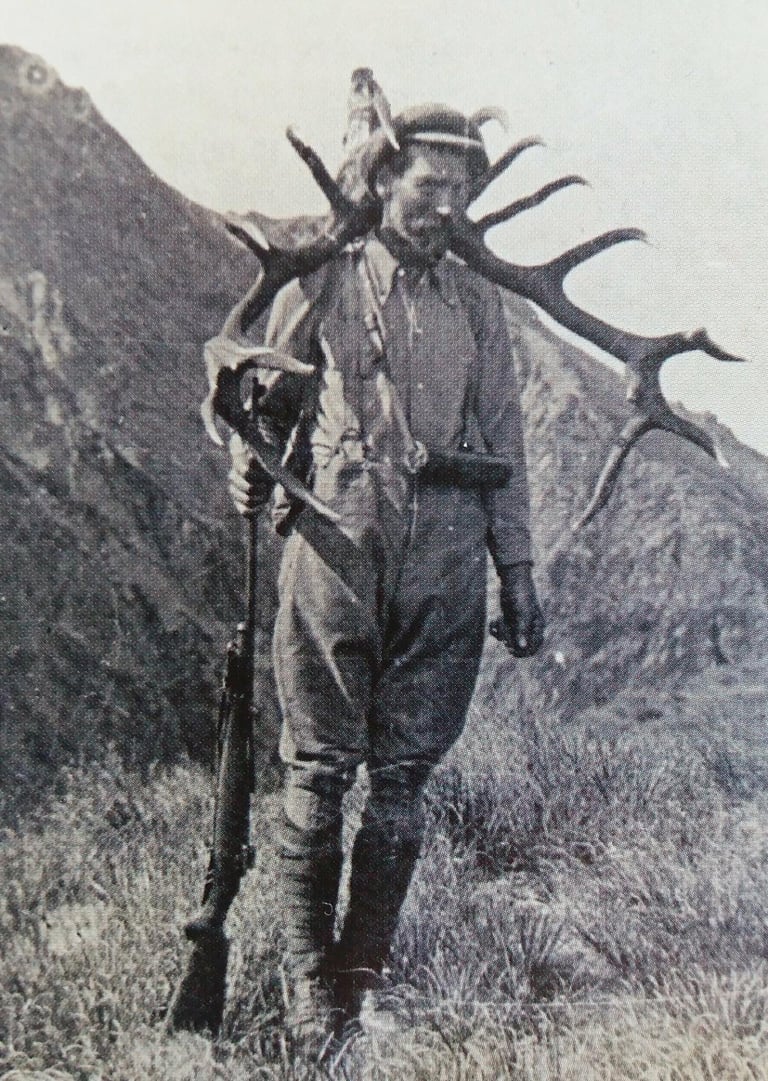
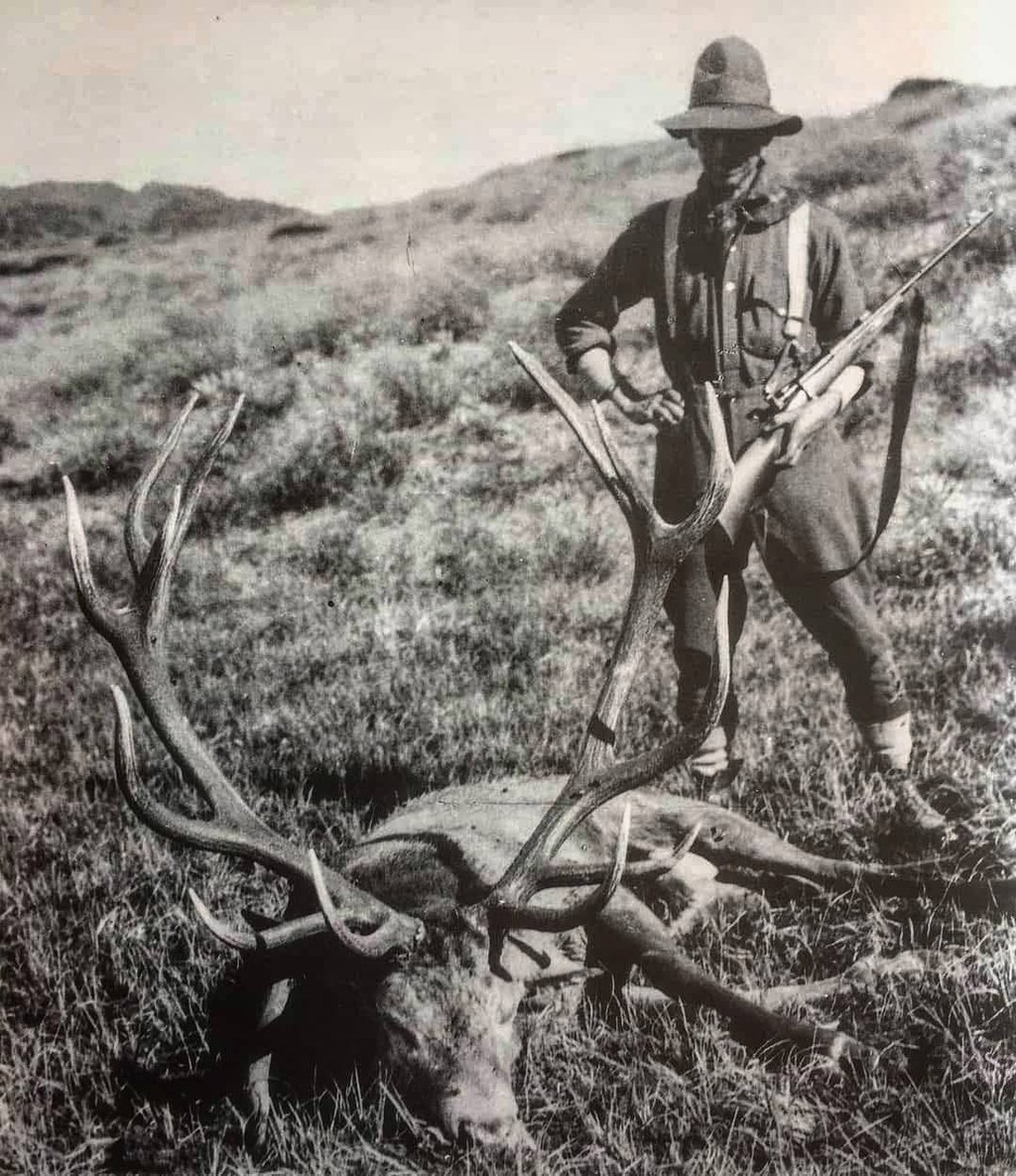
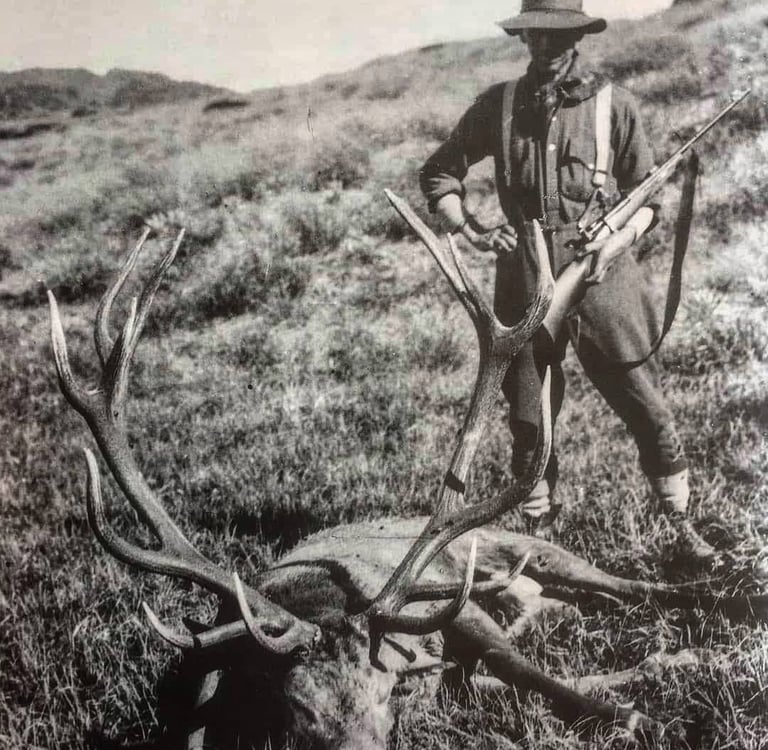
John Forbes with his thirteen pointer taken in Otago in 1927.
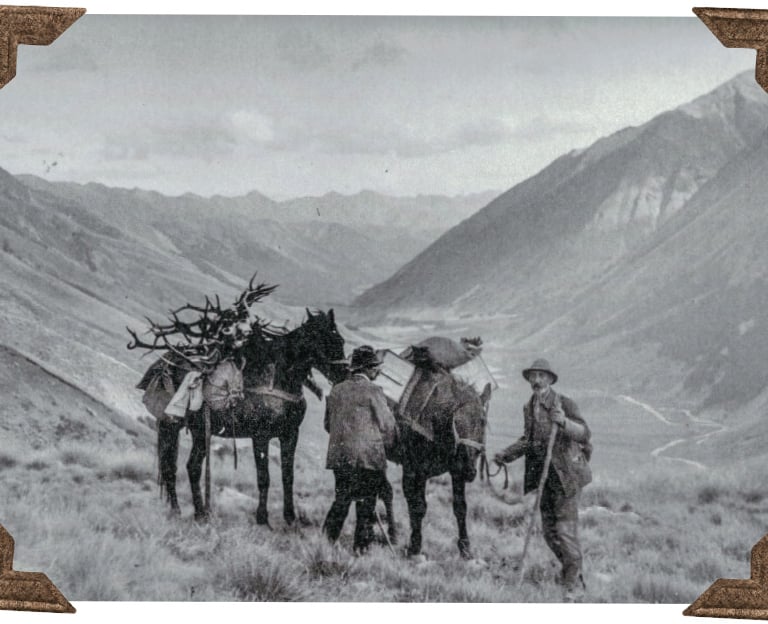
Frank M. Kitto carrying out Archie Kitto's "Big Chief" Otago, 1920


John Forbes and his Otago trophies from the 1911 stalking season.
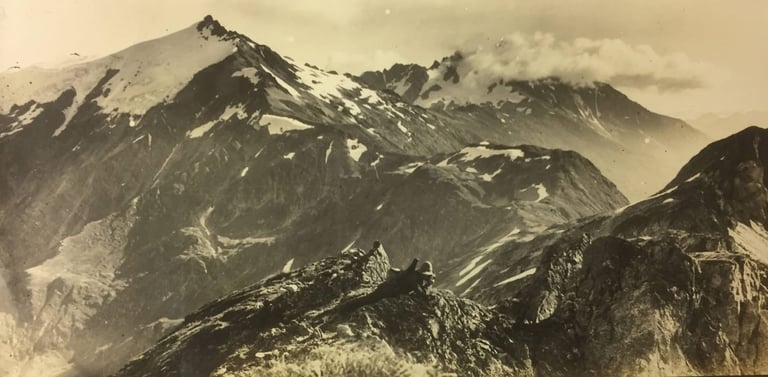
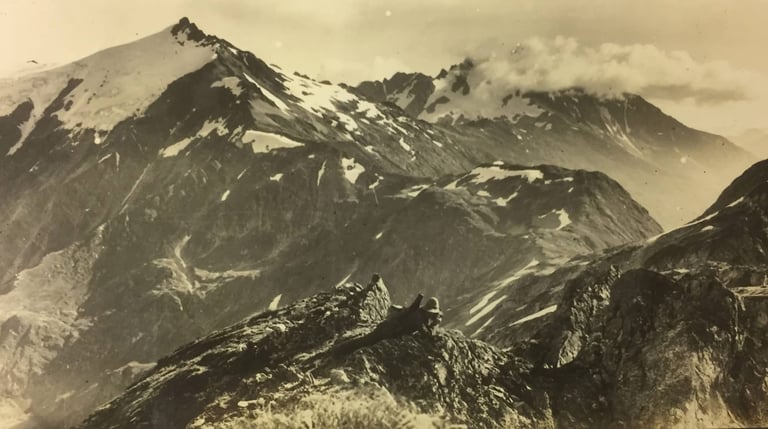
Glassing down into the basin below.
The Studholmes packing out their trophies.
A real talking point of the New Zealand Otago red stag, the history.
In 1851 a painting was unveiled at the Royal academy of a life sized red stag native to the Scottish highlands. The piece was named “The monarch of the glen”, 20 years later in 1871 the very first introduction of red deer to the Otago region began by wooden sailing ship, with 8 calves of the very same herd as the stag in the painting. Two calves died on the way with six making it to Port Chalmers in Dunedin, from here they were transported by land to Morven hills.
As the herd began to establish in the area. Word started to spread that the animals released to Otago were growing much larger than back home. Hunters came from across the world to hunt these majestic animals.
With some of the largest trophies still to this day being taken throughout the 19th and 20th centuries.
Now more than 150 years later, we find ourselves guiding hunters through the same country once hunted by our forebears.
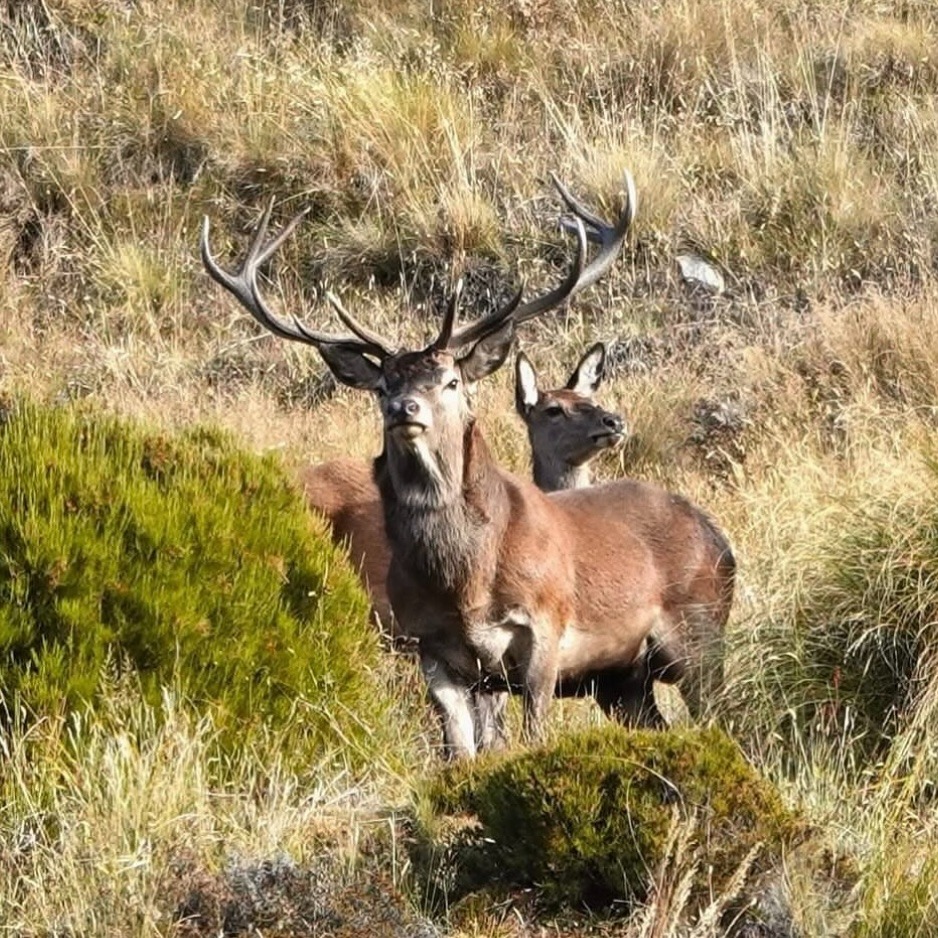
Below is a picture of a stag we named wide twelve which was shot in 2024. It’s quite uncanny how much he resembles his highland ancestor.
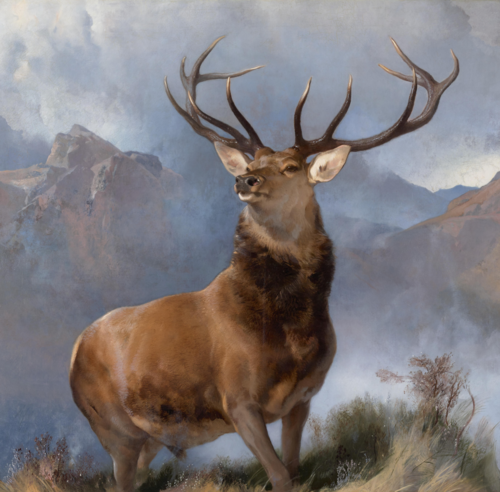
Wide Twelve
Monarch Of The Glen
The red stag hunts in Otago kick off in mid March as the roar begins and continue through to early May on a 49 day schedule. Throughout the season, the full focus remains on free range red stags, which are the cornerstone of every hunt that is run.
Hunters also have the option to add fallow deer, while tahr and chamois are available from mid April once their rut starts. From mid April into early May, we experience an overlap when all four species are rutting at the same time. These specific dates are reserved for free range combination hunts, offering an exceptional opportunity to pursue multiple species during their peak.
Our Hunting Season
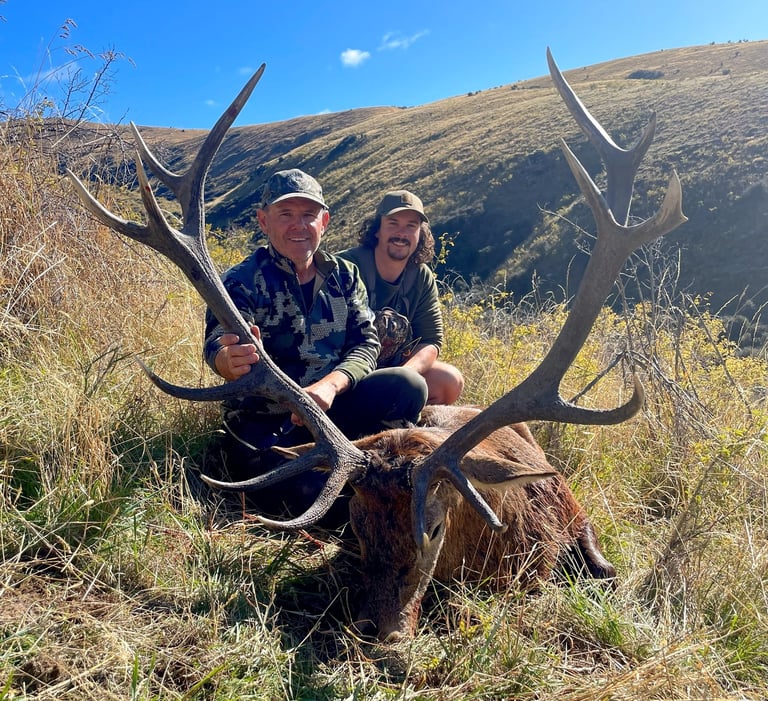
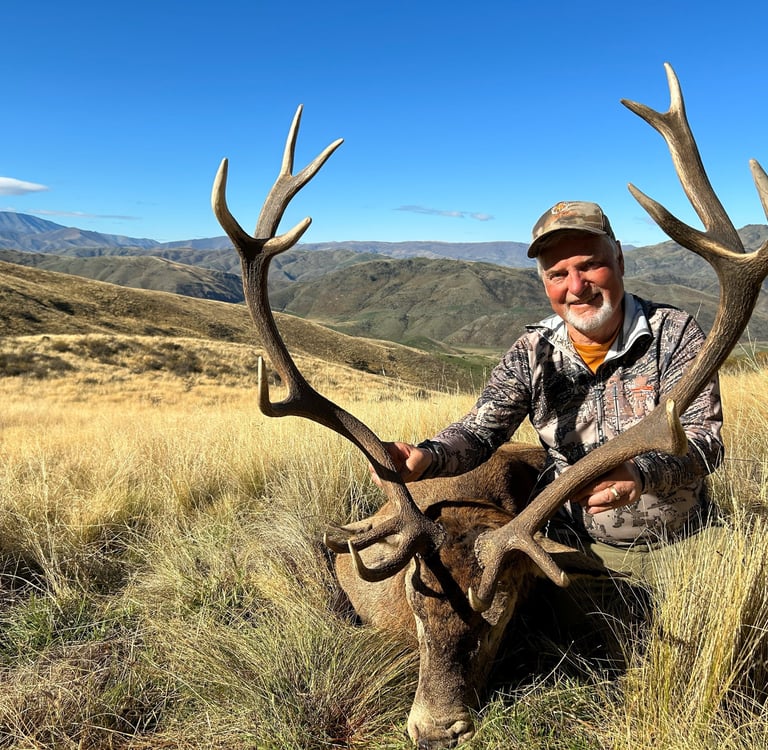
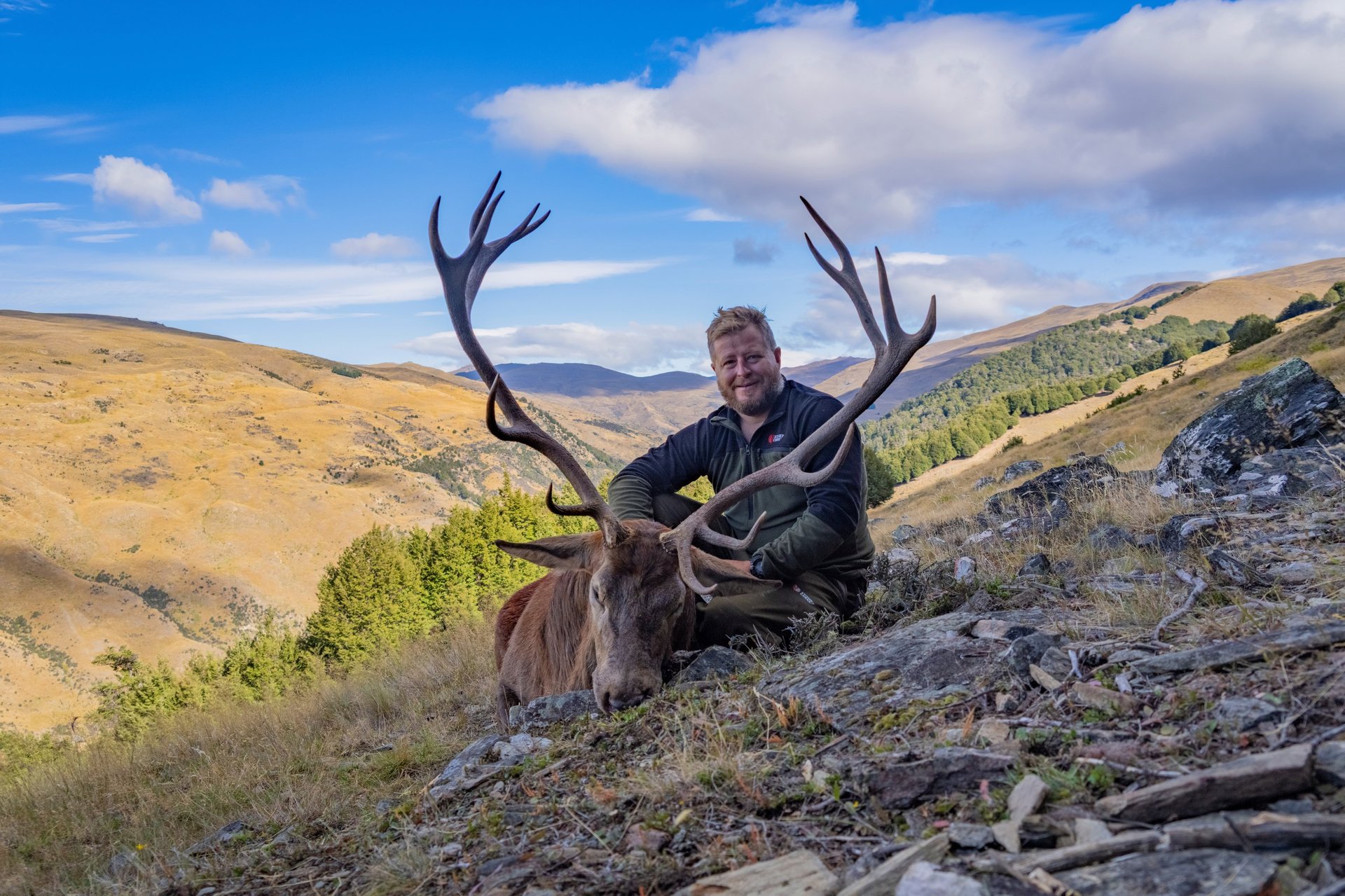
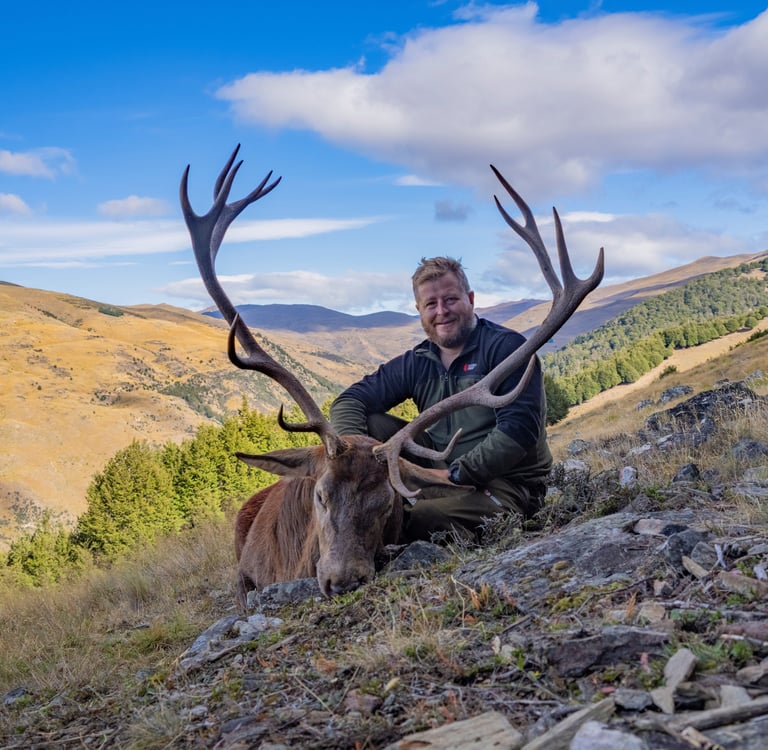
First Class
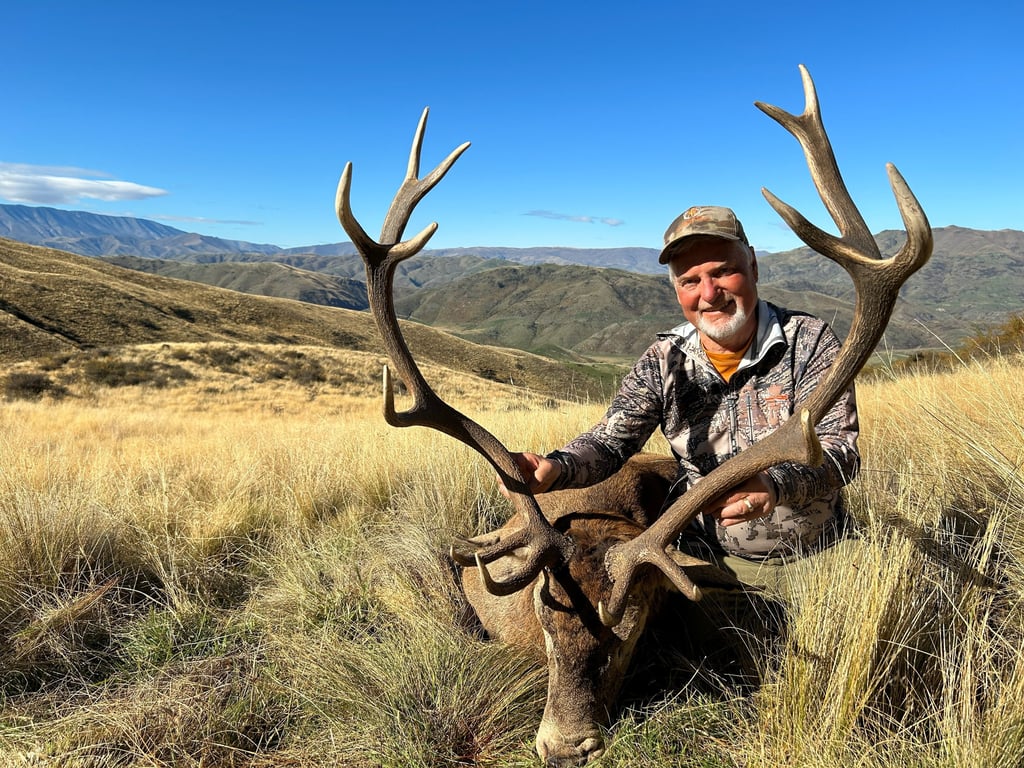
NQF (Not Quite First Class)
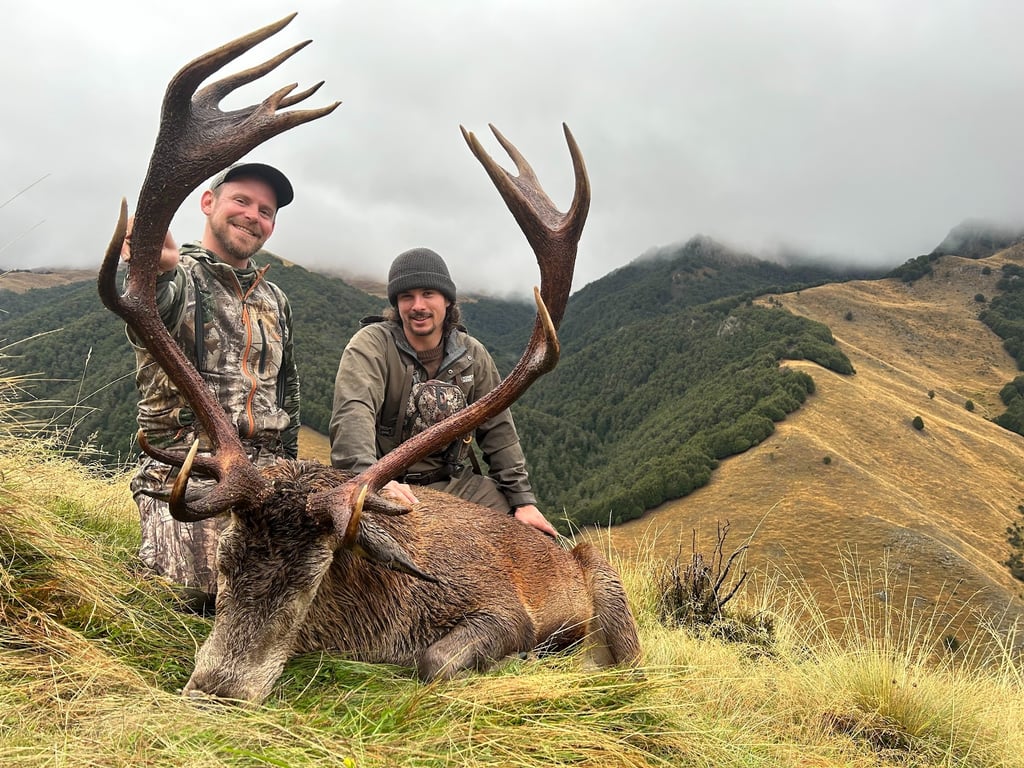
Second Class
The free range Otago red stags are defined by 3 separate classes.
Stags are Measured under an official measuring system native to New Zealand specifically designed for free range stags called the "Douglas Score". This measuring system awards symmetry as compared to SCI which calculates total mass without deductions.
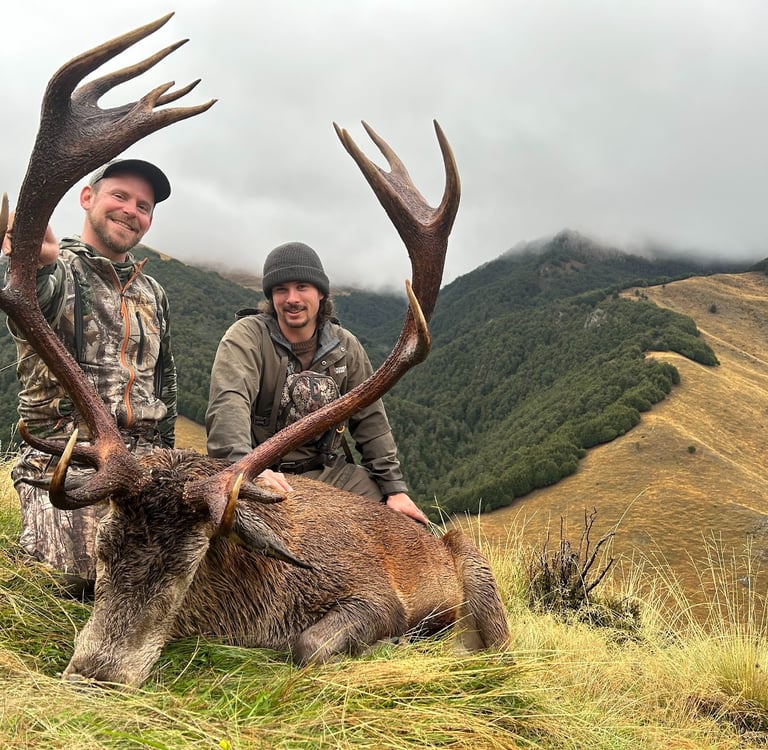
In essence when looking at a First Class stag we are looking for typical corresponding points, length, spread, plus many other finer details specific to every stag as every animal is different. The benchmark for a First Class stag under this system to qualify for the records is 300inches or 300DS, however it is common to see stags upwards of 320DS with 2 stags from the 2025 season being in the 350DS category which is exceptional for a wild herd. There are limited tags available for this class of stag each season and they sell out fast so be sure to book in advance.
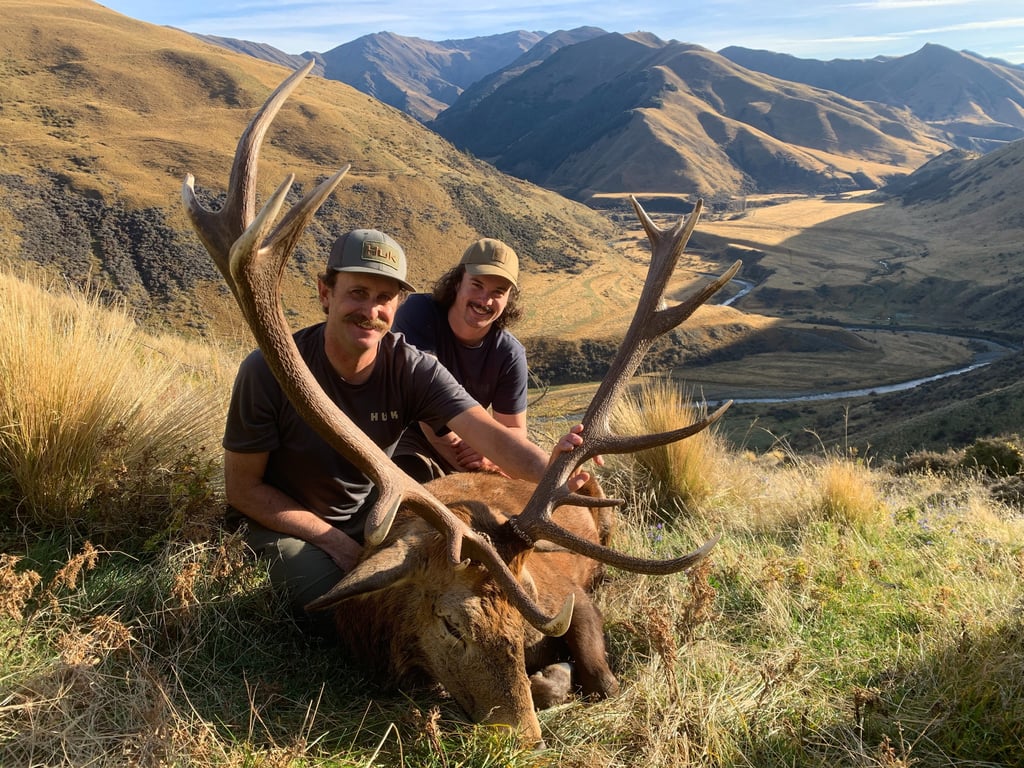
The next category is NQF (Not Quite First Class) A stag in this class falls under guide discretion and is an optional upgrade for a Second Class stag, these types of stags can be rare and usually fall just short of the 300DS mark making them hard to call first or second class.
The third category is Second Class, defined as non typical. These stags are not scored but are chosen based on character, frame size and length. Often just as big in size to a first class stag but missing something, this could be for example. A missing point on one side, weaker crowns, or a completely different side to the other, not to discredit these animals they are just as impressive as all the other classes of stag and a personal favorite.
This is not a needle in a haystack hunt, there will be the opportunity to glass over many different stags of your chosen class throughout your 5-day hunt.
DOUGLAS SCORE VS SCI
Douglas Score is New Zealand’s traditional trophy measuring system and places a strong emphasis on symmetry, balance and typical antler formation. Corresponding measurements from each antler are compared, with the shorter measurement effectively determining the score for both sides. This means that excess length on an uneven tine or beam does not simply add to the final score, making a high Douglas Score particularly difficult to achieve.
For red deer, 300 Douglas Score is an important benchmark in New Zealand hunting. A free range stag reaching 300 DS officially qualifies for entry into the New Zealand Deerstalkers Association’s New Zealand Game Trophy Record Book and is commonly referred to as a “book stag.” Reaching the 300 mark requires an exceptional combination of antler size, tine length, beam length and, importantly, symmetry. For this reason, a genuine 300+ Douglas Score free-range red stag is regarded as a significant New Zealand trophy and represents a benchmark many hunters spend a lifetime pursuing.
Safari Club International (SCI) uses a different scoring system that is widely recognised by international hunters, particularly in North America. SCI rewards the overall dimensions of the antlers, including beam lengths, tine lengths and circumference measurements, without placing the same emphasis on matching symmetry as Douglas Score. As a result, a large but uneven or non typical stag can produce a higher SCI score while scoring considerably lower under Douglas. There is therefore no direct conversion between the two systems a stag’s Douglas Score reflects not only how much antler it carries, but how evenly that antler has developed.
Classes Explained
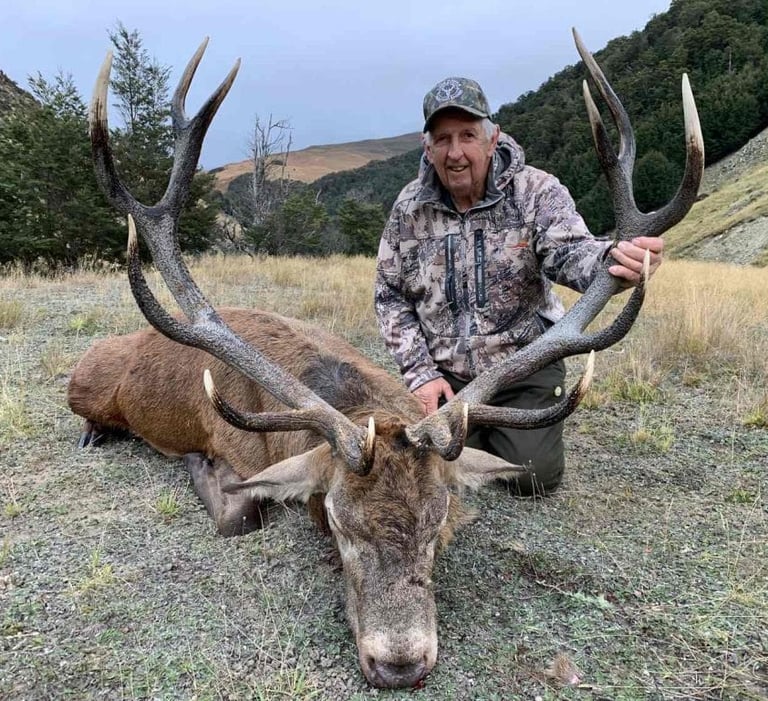
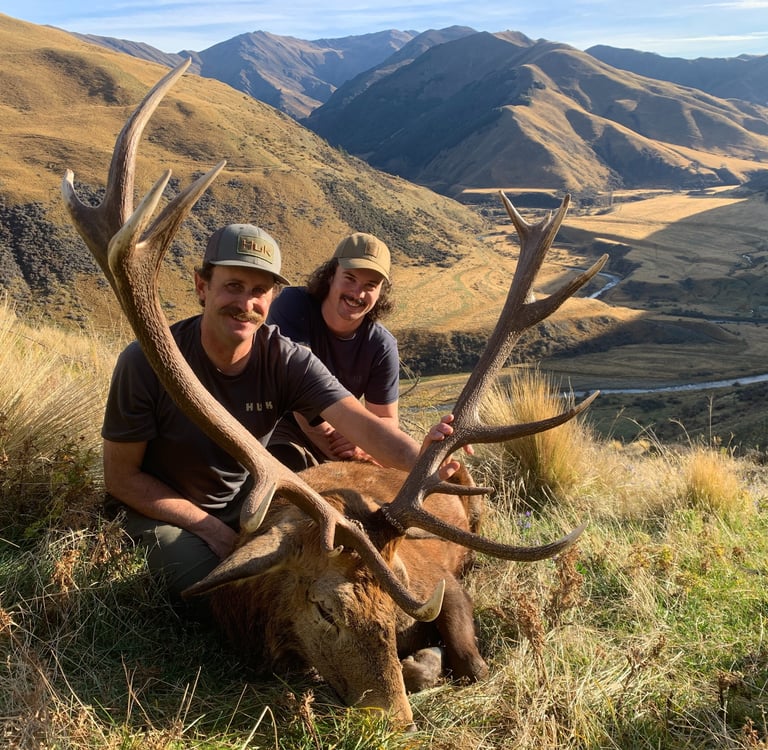
The name Governor’s Tag we have adopted from the American Tag and license system where the purchaser is exempt from any application, drawing / ballot process, or waiting period to secure a hunt for a limited opportunity species and potentially for one of the largest trophies available. A big attraction of purchasing this tag is that the hunter is contributing to the conservation of the species that they care about. These same principles apply to the Otago Stag Governors Tag. One Governors tag available per season. Available 2026. Available 2027.
The stag in the photo above was named Goldie, a regular to his rutting grounds and a pleasure to witness each season. He was shot in 2025 and scored an exceptional 354 Douglas score putting him in a class above the majority of our First Class Stags and well within the top 50 of all time records for the herd.
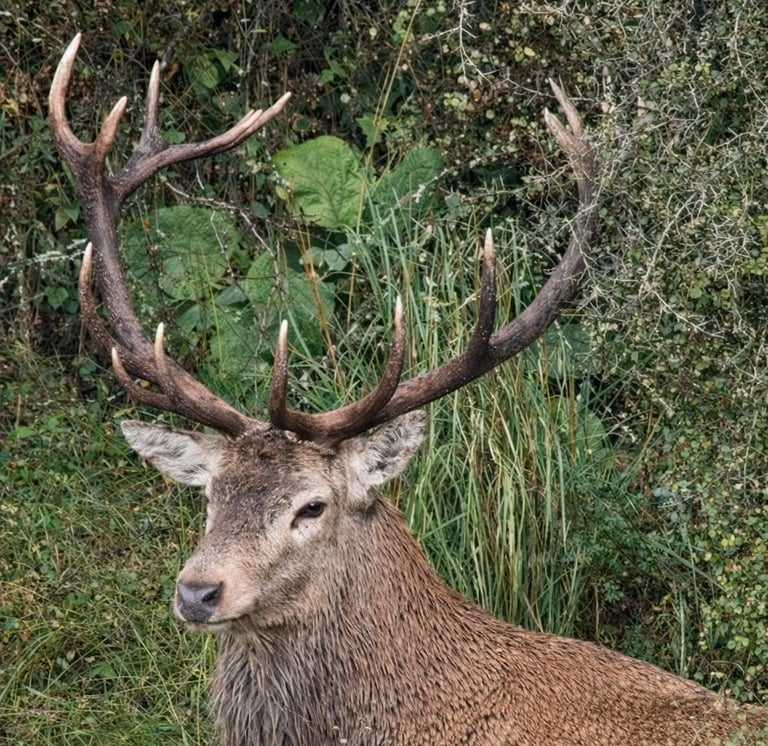
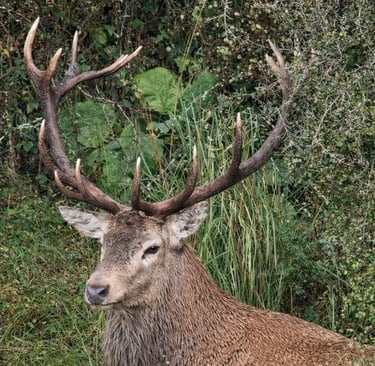
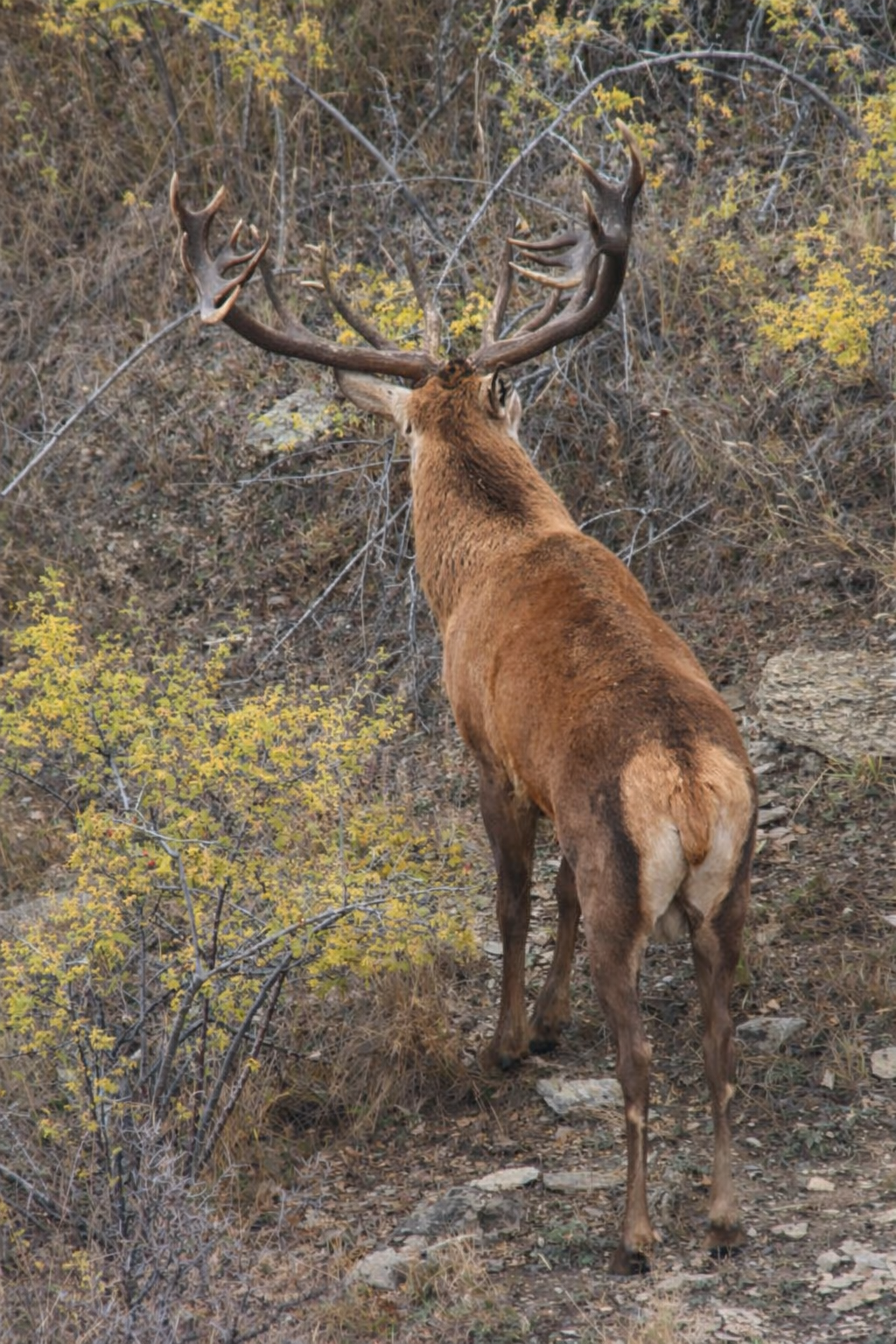
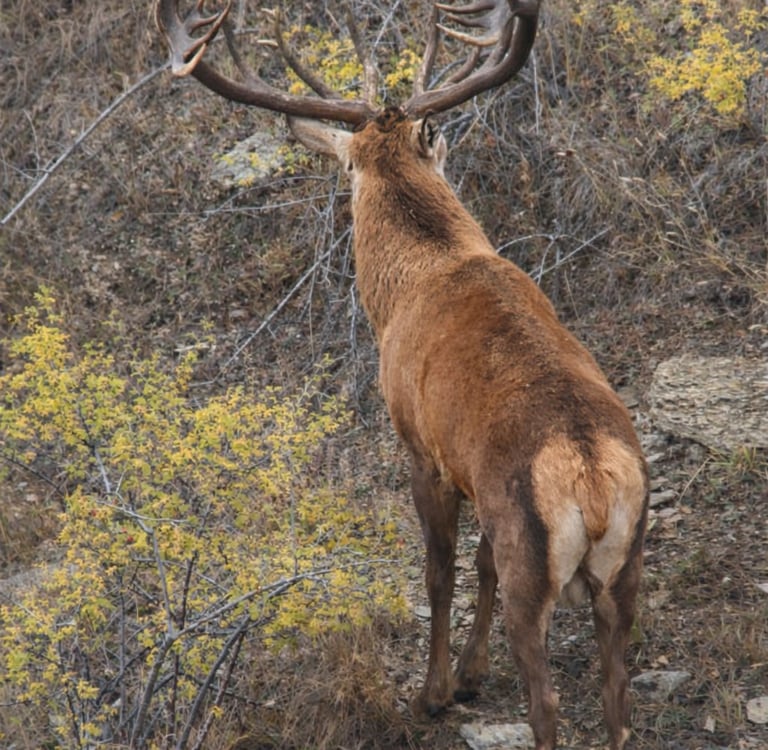
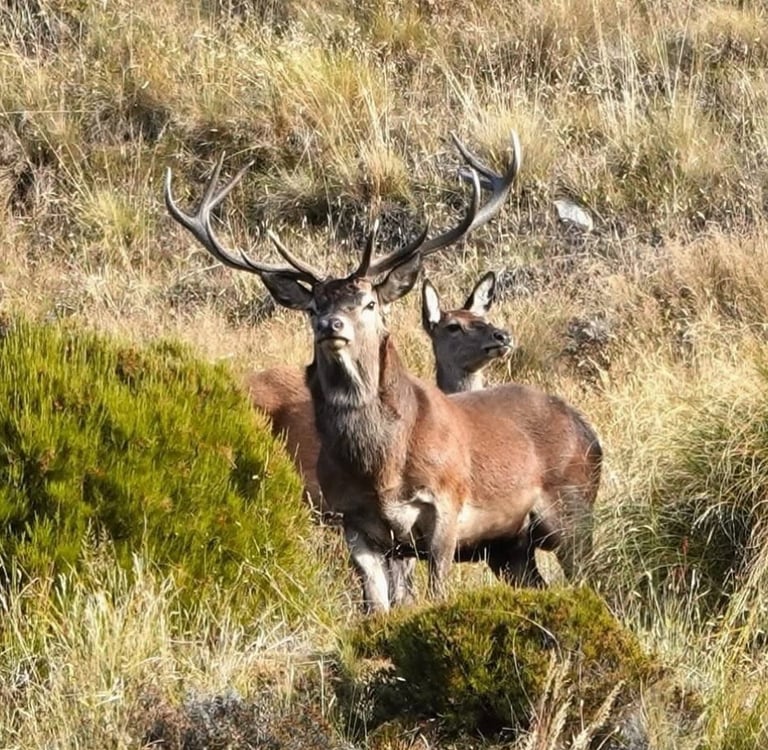
Currently one Governors tag remains for a stag first spotted in 2019, called Brutis. He is the spitting image of a famous Otago red stag shot in 1924 almost exactly 100 years ago. The 1924 Trophy was shot in the Macfarlane valley of Otago scoring an astonishing 394 3/4 Douglas score making him the second highest scoring stag in New Zealand history.
Notice how Brutis has almost exactly the corresponding points as the 1924 Macfarlane trophy.
A truly once in 100 year trophy.
See for yourself.
A Class Above The Rest
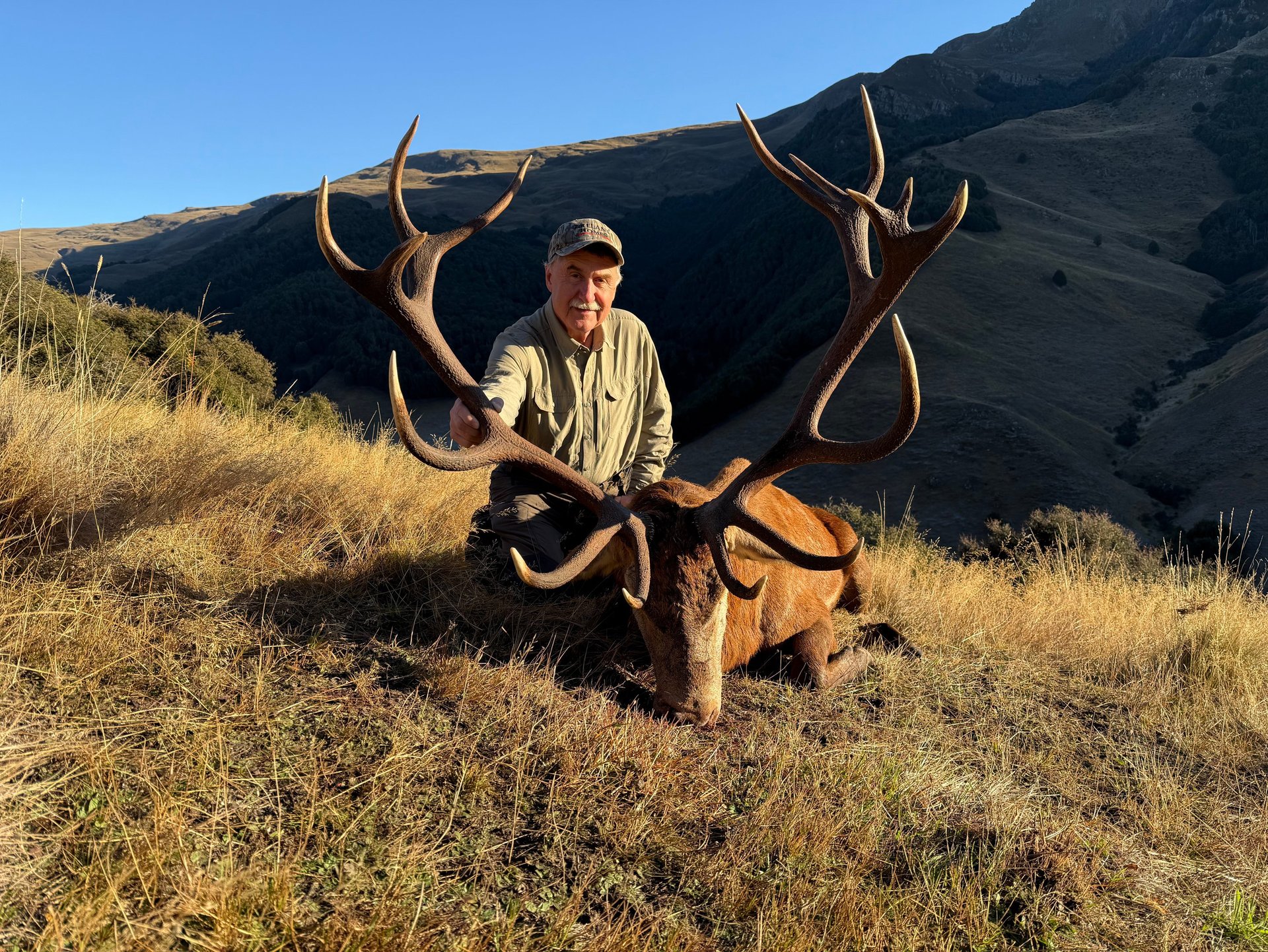
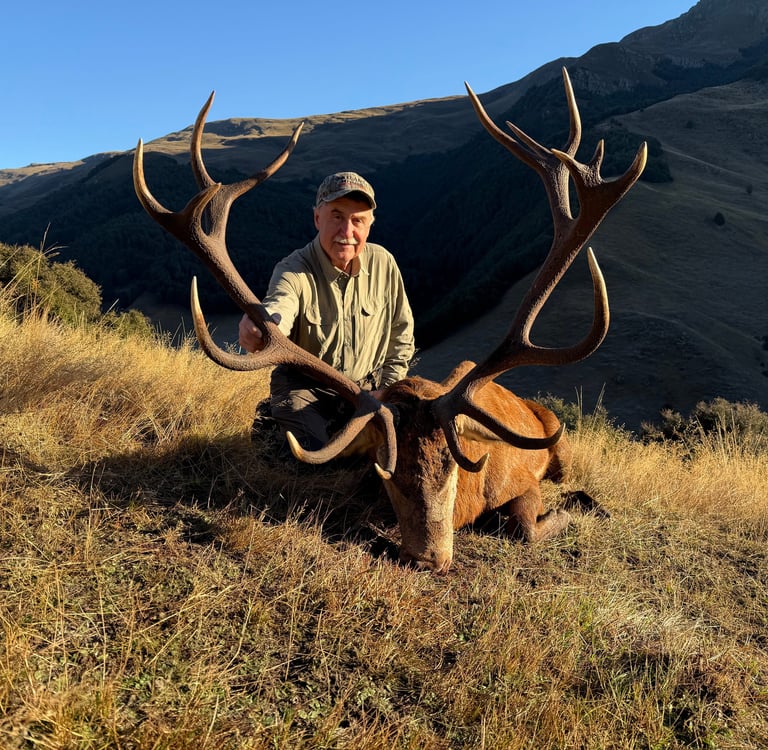
Governors Tag
First Class
NQF
Second Class
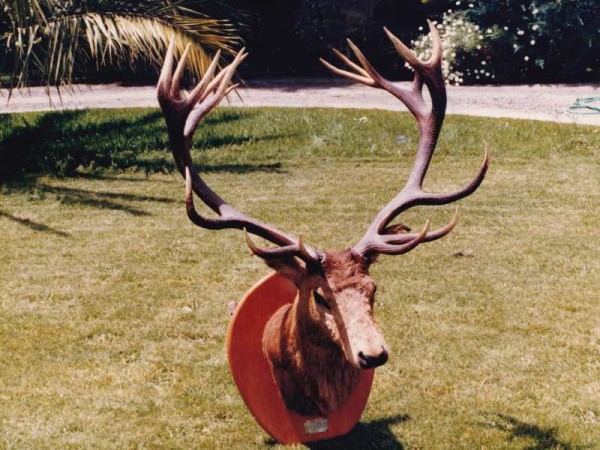
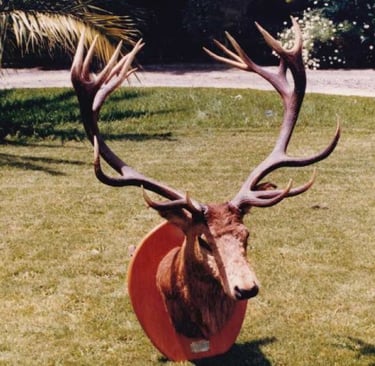
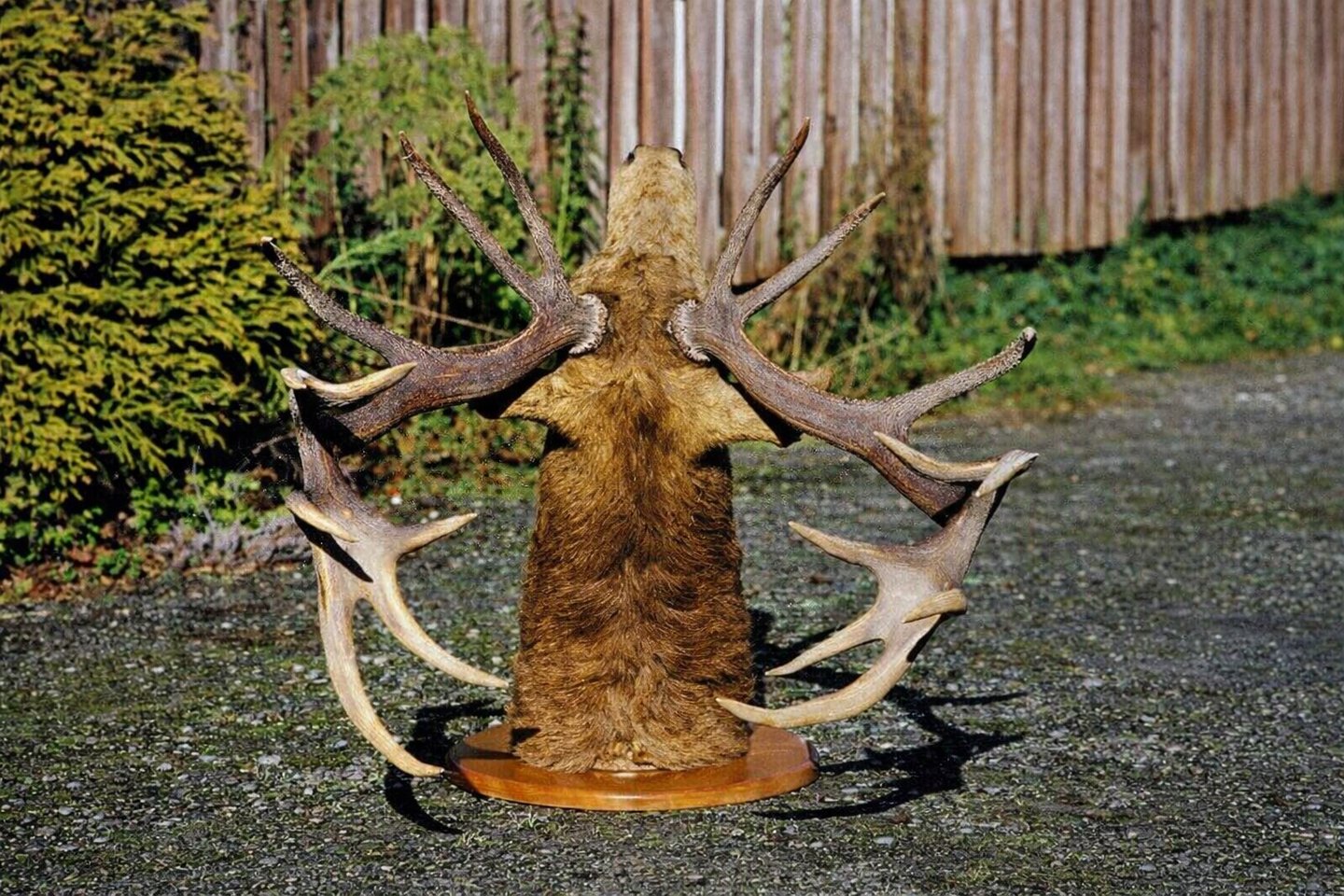
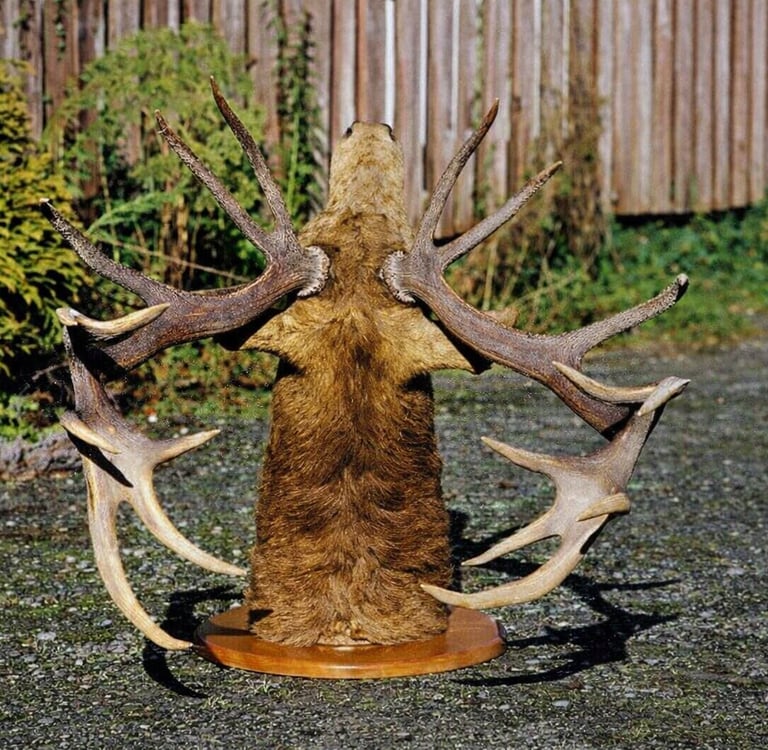
Macfarlane Trophy of 1924
Brutis as of 2025
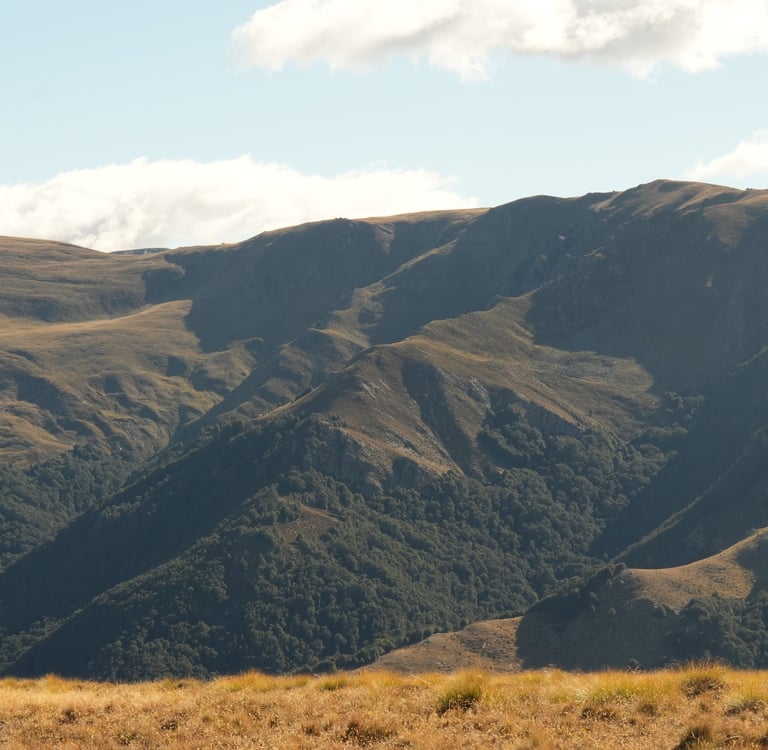
Our Free Range Area
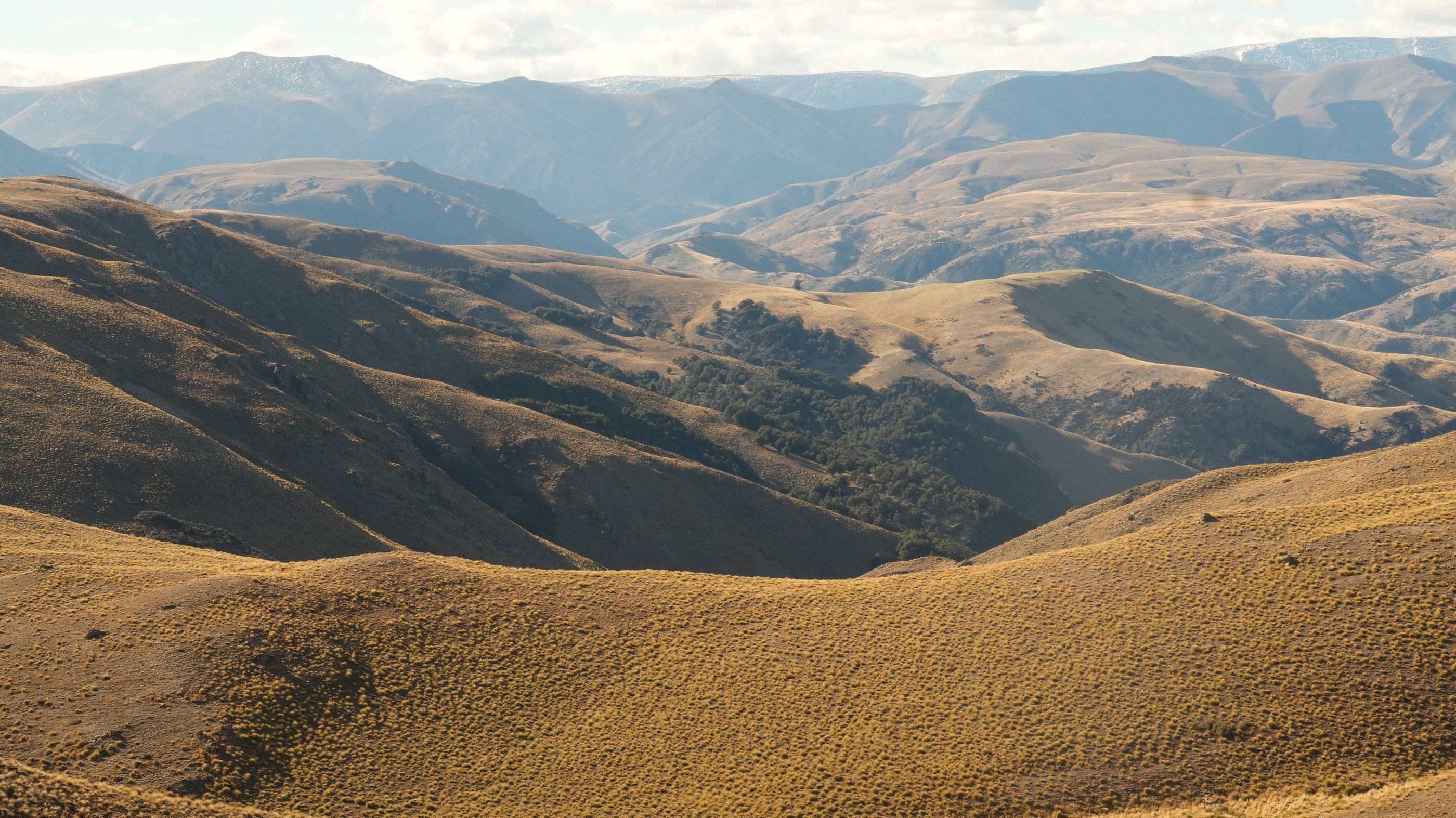
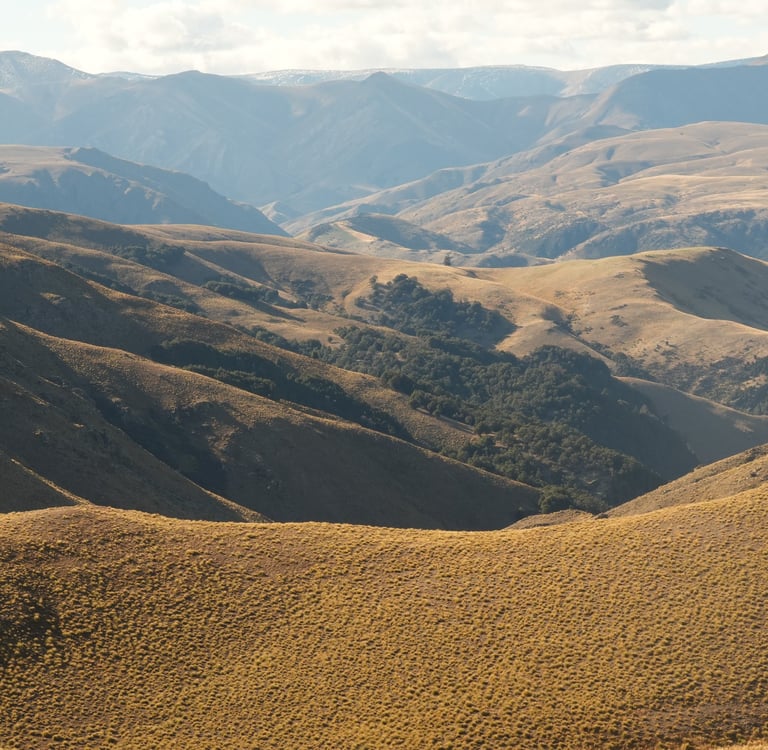
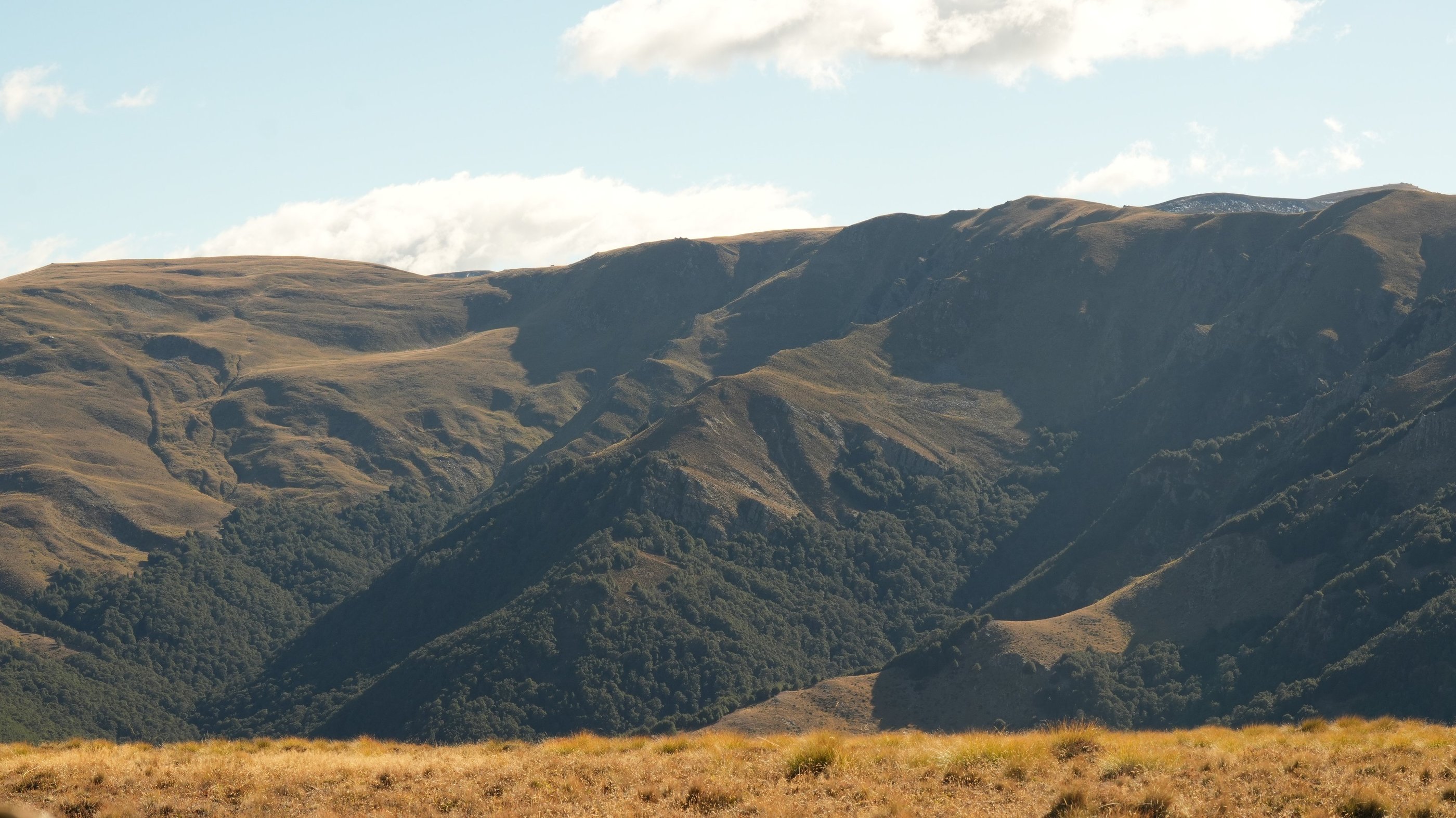
Red stag hunting during the roar is simply an amazing experience and an incredible hunt. Combine this with the Otago red deer bloodline, first class trophies of the highest echelon, 45,000 acres of private hunting, bush clad valleys, open tussock tops, you are in red stag heaven.
You will likely see stags fighting each other for hinds this is the Red stag as nature intended.


For more information contact me below.
Present History
Historic Images courtesy of Kevin Whitelaw
Hunting Legends Magazine